

Scheduling veterinary appointments can seem daunting. But it’s easier than you think.
Keeping your pet healthy requires regular vet visits. Whether it’s for a routine check-up or an urgent issue, knowing how to schedule these appointments is crucial. This blog will guide you through the process, making it simple and stress-free. From choosing the right time to understanding what information you need, we’ll cover everything.
With these tips, you’ll ensure your pet gets the care they need without any hassle. Let’s dive in and learn how to manage vet appointments like a pro.

Credit: www.vetstoria.com
Importance Of Regular Vet Visits
Regular vet visits are essential for maintaining your pet’s health and well-being. These visits are not just for emergencies or vaccinations. They play a crucial role in preventive care. Scheduling regular check-ups helps detect issues early and ensures your pet enjoys a long, healthy life.
Benefits For Pets’ Health
Regular vet visits offer numerous benefits for your pet’s health. Here are some key advantages:
- Comprehensive health checks: Vets conduct thorough examinations.
- Vaccinations: Keep your pet safe from diseases.
- Parasite control: Prevents fleas, ticks, and worms.
- Dental care: Ensures healthy teeth and gums.
These regular check-ups help maintain your pet’s overall health. Early intervention can prevent many serious conditions.
Early Detection Of Issues
Early detection of health issues is one of the biggest advantages of regular vet visits. Here’s why it’s important:
- Identifies hidden problems: Some issues are not visible to the naked eye.
- Prevents progression: Early treatment can halt the advance of diseases.
- Reduces treatment costs: Treating early-stage issues is often less expensive.
Early detection can make a significant difference in your pet’s life. It can lead to more effective treatments and better outcomes.
Choosing The Right Veterinarian
Scheduling veterinary appointments is essential for your pet’s health. Choosing the right veterinarian is crucial. You want someone skilled, compassionate, and accessible. This section will guide you through the process of finding the perfect vet for your furry friend.
Researching Local Clinics
Start by researching local veterinary clinics. Use search engines to find nearby options. Make a list of potential clinics. Consider the following:
- Location: Is the clinic close to your home?
- Services: Do they offer the services your pet needs?
- Hours: Are their hours convenient for your schedule?
Visit the clinic’s website. Look for information about their veterinarians and staff. Check if they have any specializations that match your pet’s needs. Note down their contact information for future reference.
Reading Reviews And Testimonials
Reading reviews and testimonials can provide valuable insights. Check online platforms like Google, Yelp, and Facebook. Look for feedback on:
- Quality of care
- Staff friendliness
- Clinic cleanliness
- Wait times
Pay attention to both positive and negative reviews. Consistent positive feedback is a good sign. Also, see how the clinic responds to negative reviews. It shows their commitment to customer service.
Ask friends, family, or neighbors for recommendations. Personal experiences can be very informative. This combination of online and personal reviews will help you make an informed decision.
Learn more about best business scheduling software
Preparing For The Appointment
Getting ready for your pet’s vet visit can feel overwhelming. But with proper preparation, it becomes much easier. This guide will help you get organized before the appointment.
Gathering Pet’s Medical Records
Before the appointment, gather all your pet’s medical records. This includes vaccination records, past surgeries, and any previous illnesses. Having these documents handy helps the vet understand your pet’s health history better.
If you don’t have physical copies, contact your previous vet. Request digital copies of the medical records. Make sure to bring these to the appointment.
Listing Current Medications
Make a list of all the medications your pet is currently taking. Include details like the name of the medication, dosage, and frequency. This information is crucial for the vet to know.
Also, note any supplements or vitamins your pet takes. Don’t forget to mention over-the-counter medications as well. This comprehensive list helps ensure your pet gets the best care possible.

Credit: www.veterinarypracticenews.com
Scheduling The Appointment
Scheduling a veterinary appointment can sometimes be a daunting task. Whether you’re a new pet owner or have had pets for years, knowing how to schedule the appointment is crucial for maintaining your pet’s health. This guide will walk you through two main methods: calling the clinic and using online booking systems.
Calling The Clinic
Calling the clinic is a direct and personal way to schedule an appointment. Here are steps to ensure a smooth call:
- Have your pet’s information ready: name, breed, and age.
- Know the reason for the visit: check-up, vaccination, or illness.
- Prepare a few preferred dates and times for the appointment.
When you call, clearly state your pet’s needs and your preferred schedule. The clinic staff will check the availability and confirm the appointment. Always write down the appointment details to avoid confusion later.
Using Online Booking Systems
Many clinics now offer online booking systems. This method is convenient and allows you to schedule an appointment at any time. Here’s how to do it:
- Visit the clinic’s website.
- Look for the online booking section.
- Select the type of appointment: routine check-up, vaccination, etc.
- Choose a date and time that suits you.
- Fill in your pet’s details and any specific concerns.
Online booking systems often send a confirmation email with the appointment details. This is helpful for keeping track of the appointment and making any necessary changes.
Day Of The Appointment
The day of the veterinary appointment has arrived. This day can be stressful for both you and your pet. Following a few simple steps can help make the process smoother.
Arriving On Time
Arrive at the vet clinic on time. Punctuality ensures your pet gets the care they need. It also shows respect for the vet’s schedule. Traffic or unexpected delays can happen. Plan to leave home early to avoid being late.
Bringing Necessary Items
Make sure to bring all necessary items. This includes your pet’s medical records and any medication they are taking. Don’t forget a leash or carrier to keep your pet safe. Also, bring your identification and method of payment. Having these items ready will make the check-in process faster.
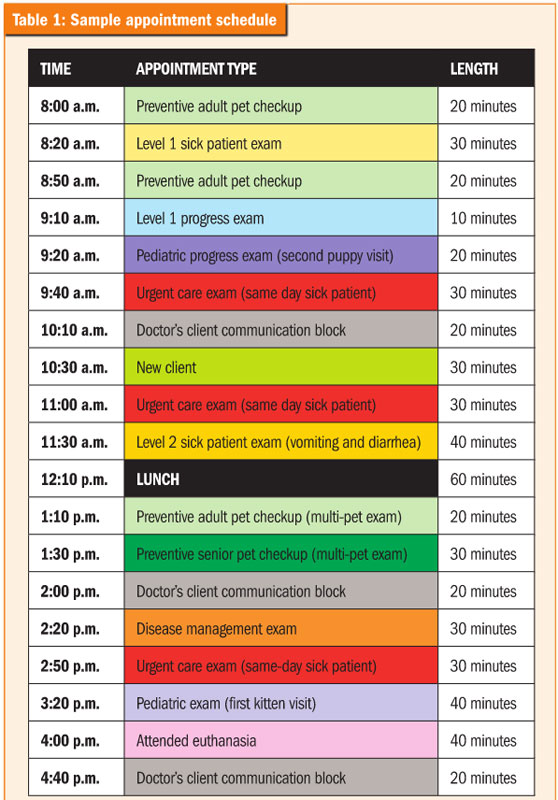
Credit: www.veterinarypracticenews.com
What To Expect During The Visit
Scheduling a veterinary appointment is an important part of pet care. Knowing what to expect can help reduce stress for both you and your pet. Understanding each step of the visit will make the process smoother.
Initial Examination
Upon arrival, a veterinary technician will greet you. They will take your pet’s weight and temperature. This is part of the initial check-up.
The vet will then perform a thorough physical examination. They will check your pet’s eyes, ears, mouth, and skin. They will also listen to the heart and lungs. This helps to identify any potential health issues.
Discussion With The Vet
After the examination, you will discuss your pet’s health with the vet. This is a good time to ask any questions. The vet will explain their findings and suggest any necessary treatments.
They may recommend vaccinations or other preventive care. If further tests are needed, the vet will explain why. They will also discuss the costs involved.
It’s important to be open and honest. Share any concerns or changes in your pet’s behavior. This helps the vet provide the best care possible.
After The Appointment
Once the veterinary appointment is over, the next steps are crucial. Proper aftercare ensures your pet’s health continues to improve. This section covers essential tasks to complete post-appointment.
Following Up On Recommendations
Follow up on the vet’s recommendations to ensure your pet recovers well. This may include administering medications or adjusting their diet. Often, the vet provides detailed instructions.
Refer to these instructions daily. You can create a simple checklist to track tasks. This ensures nothing is missed, helping your pet get the best care.
| Task | Frequency | Notes |
|---|---|---|
| Administer Medicine | Twice Daily | Use syringe provided |
| Diet Adjustment | Daily | Reduce treats |
| Exercise | Daily | 20 minutes walk |
Scheduling Follow-up Visits
Schedule follow-up visits to monitor your pet’s progress. These visits are important for ongoing treatment. They allow the vet to check if your pet is healing properly.
Use a calendar to mark these visits. Set reminders on your phone. This helps you remember each appointment. Missed visits can delay recovery.
Here’s a simple way to keep track:
- Mark the date on your calendar.
- Set a phone reminder one day before.
- Prepare your pet’s records for the visit.
Following these steps ensures you never miss an appointment.
Tips For A Stress-free Visit
Scheduling veterinary appointments can be stressful for both pets and owners. To make the visit smooth, follow these tips for a stress-free experience. This guide will help you keep your pet calm and handle unexpected situations effectively.
Keeping Your Pet Calm
It’s important to keep your pet calm before and during the visit.
- Familiarize with the carrier: Leave the carrier out in your home. Let your pet explore it.
- Practice car rides: Take short trips with your pet. This reduces anxiety about car rides.
- Use calming aids: Consider using calming sprays or treats. These can help relax your pet.
- Stay calm: Pets can sense your anxiety. Stay relaxed to keep your pet calm.
Handling Unexpected Situations
Unexpected situations can arise during a veterinary visit. Be prepared to handle them calmly.
- Bring essentials: Pack your pet’s favorite toy or blanket. These items provide comfort.
- Communicate with the vet: Share any concerns with your vet. They can provide guidance.
- Have a plan: Know the steps to take if your pet gets very anxious. This could include rescheduling.
- Stay patient: Sometimes visits take longer than expected. Patience helps reduce stress.
Following these tips will make veterinary appointments less stressful. Your pet’s well-being is worth the effort.
Frequently Asked Questions
How Do I Schedule A Vet Appointment?
To schedule a vet appointment, call your veterinary clinic or book online through their website. Some clinics also offer mobile apps for easy scheduling.
Can I Schedule A Vet Appointment Online?
Yes, most veterinary clinics offer online scheduling through their websites or mobile apps. Check your clinic’s website for more details.
How Far In Advance Should I Book?
Book your veterinary appointment at least one to two weeks in advance. This ensures you get a convenient time slot.
What Information Do I Need To Provide?
You’ll need to provide your pet’s details, reason for the visit, and your contact information. This helps the clinic prepare for your appointment.
Conclusion
Scheduling veterinary appointments doesn’t have to be difficult. Use online tools and apps. Call the clinic directly for urgent needs. Regular check-ups keep pets healthy. Keep a calendar for reminders. Always prepare your pet for the visit. This ensures a smooth experience.
Following these steps helps you manage appointments easily. Your pet will thank you with good health. Happy scheduling!
