

Podcast hosting is a service that stores and distributes your podcast files. It ensures your episodes are available to listeners on various platforms.
Podcasts have become a popular medium for sharing stories, ideas, and information. To reach an audience, podcasters need a reliable way to store and distribute their episodes. This is where podcast hosting comes in. It provides the tools and infrastructure needed to upload, store, and share podcast files.
With podcast hosting, you can ensure that your episodes are accessible on platforms like Apple Podcasts, Spotify, and Google Podcasts. It’s an essential service for anyone serious about podcasting. Understanding podcast hosting can help you make informed decisions about your podcast’s growth and reach.
Credit: www.captivate.fm
Introduction To Podcast Hosting
Welcome to the world of podcasting! If you’re new to this audio adventure, you might have heard the term “podcast hosting” thrown around. But what exactly does it mean? In this section, we’ll break down the basics of podcast hosting to help you get started on the right foot.
What Is Podcast Hosting?
Podcast hosting is a service that stores your audio files and delivers them to your listeners. Think of it as the home base for all your podcast episodes. When you upload your podcast to a hosting platform, it generates an RSS feed. This feed is what you submit to directories like Apple Podcasts, Spotify, or Google Podcasts. Without a podcast host, your episodes would have nowhere to live and no way to reach your audience.
Importance Of Podcast Hosting
Why is podcast hosting so important? Let’s break it down:
- Storage and Bandwidth: Hosting platforms provide the necessary storage for your audio files and the bandwidth to handle the downloads and streams from your audience. This means you don’t have to worry about large files clogging up your personal website or server.
- Analytics: Most hosting services offer detailed analytics, giving you insight into how many people are listening, where they are from, and what episodes are most popular. This data is invaluable for growing your podcast and understanding your audience.
- Monetization: Some hosting platforms offer built-in monetization options, such as ad placements or listener donations. This can help you turn your podcasting hobby into a source of income.
- Ease of Use: Podcast hosts simplify the process of publishing episodes. You can upload your audio, add show notes, and schedule releases all in one place. This saves you time and makes managing your podcast much more straightforward.
In short, podcast hosting is the backbone of your podcasting journey. It provides the tools and support you need to share your voice with the world. So, if you’re serious about podcasting, investing in a good podcast hosting service is a must.
Remember, every podcaster started with a single episode. With the right hosting platform, your podcast can reach listeners around the globe. Ready to dive in? Let’s get started!
Choosing A Podcast Hosting Platform
Finding the right podcast hosting platform is crucial. It impacts the reach and quality of your podcast. Various platforms offer different features. Knowing what to look for can help you choose the best one. Let’s explore key features and popular options.
Key Features To Look For
Look for unlimited storage. This allows you to upload as many episodes as needed. A good platform should offer analytics. This helps track your audience and growth. Ensure the platform supports various audio formats. Compatibility is essential. Another feature is distribution. The platform should distribute your podcast to major directories. This includes Apple Podcasts, Spotify, and Google Podcasts. Lastly, check for ease of use. A user-friendly interface saves you time and effort.
Popular Podcast Hosting Platforms
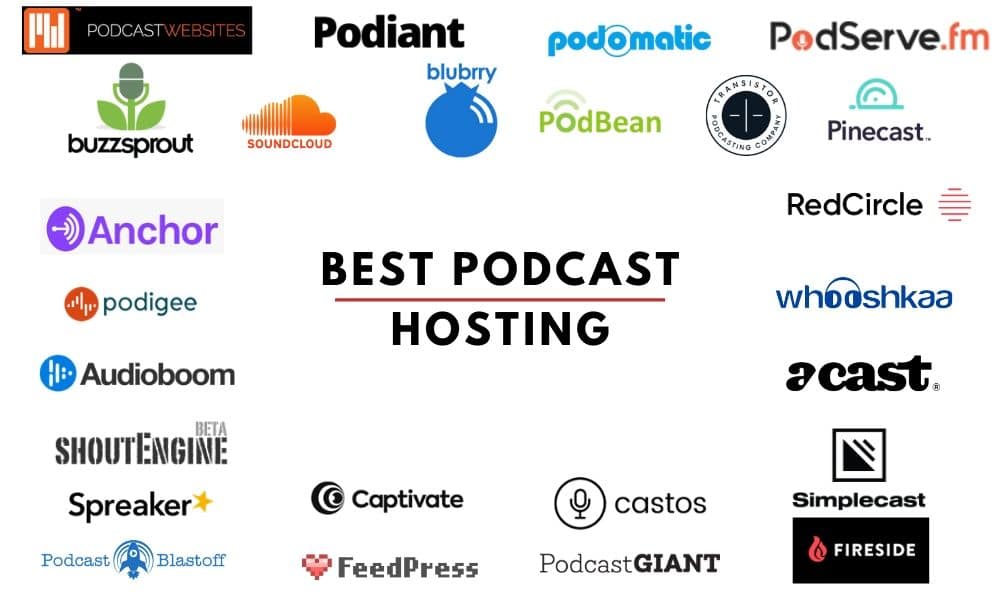
Buzzsprout is popular. It offers user-friendly features and great customer support. Podbean is another option. It provides monetization opportunities and extensive analytics. Anchor is a free option. It offers simple tools and wide distribution. Libsyn is known for its reliability. It has been around for a long time and offers robust features. Blubrry provides excellent integration with WordPress. It also offers advanced statistics.
Setting Up Your Podcast
Starting a podcast is an exciting journey. But before you can share your voice with the world, you need to set up your podcast properly. This involves a few steps, from creating an account to uploading your first episode. Let’s break down these steps to make it simple for you.
Creating An Account
The first step is to create an account with a podcast hosting service. Choose a reliable hosting platform. Look for one that suits your needs and budget. Once you choose, visit their website and sign up. Fill in the required details like your name, email, and password. Confirm your email address to activate your account. This is usually done by clicking a link sent to your inbox.
Uploading Your First Episode
After creating your account, you can upload your first episode. Prepare your audio file in the correct format, usually MP3. Ensure your file meets the platform’s requirements. Go to the upload section of your hosting account. Select your audio file and start the upload process. Fill in the episode title and description. Add relevant tags to help listeners find your episode. Finally, click the publish button to share your first episode with the world.
Understanding Podcast Rss Feeds
In the world of podcasting, understanding RSS feeds is crucial. Think of an RSS feed as the backbone of your podcast distribution. It’s the invisible thread that connects your podcast to your audience. Without it, your podcast episodes would be scattered and hard to find. Let’s delve deeper into RSS feeds, shall we?
What Is An Rss Feed?
An RSS feed stands for Really Simple Syndication. It’s a way to send content from one place to another automatically. Imagine you’ve got a newspaper delivered to your door every morning. An RSS feed works like that, but for digital content. It sends your podcast episodes to your subscribers without them having to check your site every day.
How Rss Feeds Work
RSS feeds work through a process called syndication. Here’s how:
- Creation: First, you create your podcast episode and upload it to your hosting platform.
- Generation: The hosting platform generates an RSS feed URL for your podcast.
- Subscription: Your audience subscribes to this RSS feed using podcast apps like Apple Podcasts or Spotify.
- Distribution: Every time you publish a new episode, the RSS feed updates automatically, and subscribers get the new episode delivered to their app.
It’s like magic, right? But really, it’s just clever technology working behind the scenes to make sure your audience stays connected with your latest content. No more manual updates or missed episodes!
In a nutshell, an RSS feed is a simple but powerful tool. It ensures your podcast reaches your audience easily and consistently. So, if you’re diving into podcasting, make sure you understand and use RSS feeds effectively.
Isn’t technology amazing? With RSS feeds, you’ve got a reliable way to keep your listeners engaged. Now, go ahead and make that next great podcast episode!
Distributing Your Podcast
So, you’ve recorded your podcast, edited it to perfection, and now you’re ready to share it with the world. But how do you get your podcast out there for people to listen to? This is where distributing your podcast comes into play. Let’s dive into the key steps involved in getting your podcast into the ears of your eager audience.
Submitting To Directories
Submitting your podcast to directories is crucial because this is how listeners will find your show. Major podcast directories like Apple Podcasts, Spotify, and Google Podcasts are essential platforms where millions of listeners search for new content. Here’s a simple guide to get you started:
- Apple Podcasts: Create an Apple ID, log in to Apple Podcasts Connect, and submit your podcast RSS feed. Apple will review your submission, and if everything is good, your podcast will be listed.
- Spotify: Sign up for Spotify for Podcasters, submit your RSS feed, and wait for approval. Spotify is known for its quick review process.
- Google Podcasts: Use Google Podcasts Manager to submit your feed. Google will automatically index your podcast, making it available on their platform.
These directories are just the start. There are many other platforms like Stitcher, TuneIn, and iHeartRadio that can help you reach a wider audience.
Promoting On Social Media
Once your podcast is listed in directories, the next step is to promote it. Social media is a powerful tool for spreading the word. Here are a few tips:
- Facebook: Create a page for your podcast and share episodes, behind-the-scenes content, and engage with your listeners through comments and messages.
- Twitter: Use relevant hashtags, tweet interesting snippets from episodes, and interact with your followers to build a community.
- Instagram: Leverage stories and posts to share episode previews, quotes, and behind-the-scenes photos. Visual content can be very engaging.
- LinkedIn: If your podcast is related to professional topics, LinkedIn can be a great place to share episodes and connect with a professional audience.
Remember, consistency is key. Regularly posting and engaging with your audience will help keep your podcast top of mind.
Distributing your podcast effectively involves both submitting to key directories and actively promoting on social media. By following these steps, you’ll be well on your way to building a loyal listener base. So, what are you waiting for? Get out there and share your voice with the world!
Monetizing Your Podcast
Monetizing your podcast can transform your hobby into a profitable venture. There are several ways to make money from your podcast. Each method offers unique benefits and opportunities. Let’s explore some effective ways to monetize your podcast.
Sponsorship Opportunities
Sponsorships are one of the most common ways to earn money from podcasts. Companies pay you to mention their products or services during your episodes. Start by reaching out to brands that align with your podcast’s theme. Offer a few sponsorship slots in your episodes. As your audience grows, you can attract bigger sponsors.
Provide clear and honest reviews. This builds trust with your listeners. They are more likely to buy products you recommend. Ensure you have a media kit ready. It should include your podcast statistics and audience demographics. This helps potential sponsors understand your reach and value.
Listener Donations
Another way to monetize is through listener donations. Platforms like Patreon and Buy Me a Coffee make this easy. Ask your loyal listeners to support your podcast with small donations. Offer them exclusive content or early access to episodes as a thank you.
Engage with your audience regularly. Show appreciation for their support. This encourages more listeners to contribute. Be transparent about how you use the donations. This builds trust and encourages continued support.
Analyzing Podcast Performance
Analyzing your podcast’s performance is crucial for growth and improvement. Without proper analysis, it’s like driving a car with your eyes closed. You won’t know if you’re heading in the right direction. Let’s dive into some essential aspects of analyzing your podcast performance.
Tracking Downloads
Tracking downloads is the first step in understanding your podcast’s reach. Think of it as counting the number of times your podcast is picked up from the shelf. Every download represents a listener who has shown interest in your content.
Here are some key metrics to track:
- Total Downloads: This gives you an overview of your podcast’s popularity.
- Downloads per Episode: Compare episodes to see which topics resonate most with your audience.
- Download Trends: Monitor how your downloads change over time to identify growth patterns.
Using tools like Podtrac or Chartable can help you gather and analyze these metrics effectively. Remember, the goal is not just to get downloads but to understand the pattern behind them.
Understanding Audience Demographics
Knowing who your listeners are can be a game-changer. It’s like meeting your neighbors; you learn their names, interests, and habits. This helps you tailor your content to their preferences.
Here are some demographic factors to consider:
| Demographic Factor | Why It’s Important |
|---|---|
| Age | Helps tailor content to the interests of different age groups. |
| Gender | Understanding gender distribution can guide your content direction. |
| Location | Knowing where your listeners are from can help you address regional topics. |
Tools like Spotify for Podcasters and Apple Podcasts Connect provide these insights. Use them to get a clearer picture of your audience. This way, you can make informed decisions about your content and marketing strategies.
To sum up, analyzing podcast performance through tracking downloads and understanding audience demographics is like having a roadmap for your podcast journey. It helps you navigate and make the right turns. Happy podcasting!
Credit: improvepodcast.com
Tips For Successful Podcast Hosting
Hosting a podcast can be an exciting journey, but it requires dedication and strategy. Whether you’re just starting or looking to improve, there are key tips to keep in mind. Let’s dive into some essential tips for successful podcast hosting that can help you connect with your audience and keep them coming back for more.
Consistency Is Key
Consistency plays a vital role in podcasting. Think of it as building a relationship with your listeners. They need to know when to expect new episodes. It’s like waiting for your favorite TV show to air each week. If you suddenly miss an episode, it can be disappointing.
- Set a Schedule: Decide on a posting schedule that works for you, whether it’s weekly, bi-weekly, or monthly.
- Stick to It: Once you set a schedule, stick to it. Consistency builds trust and anticipation.
- Batch Recording: To help maintain consistency, consider batch recording episodes. This way, you’ll always have content ready, even on busy weeks.
Imagine you’re a listener. Wouldn’t you appreciate knowing exactly when your favorite podcast drops a new episode? It’s like having a date you can always count on.
Engaging With Your Audience
Your audience is the heart of your podcast. Engaging with them can turn listeners into loyal fans. Think of it as a conversation. You talk, they listen, and then they respond.
- Ask for Feedback: At the end of your episodes, ask listeners for their thoughts or questions. It shows you value their input.
- Social Media Interaction: Use social media platforms to interact with your audience. Reply to comments, share behind-the-scenes content, and create polls.
- Listener Shout-outs: Give shout-outs to listeners who leave reviews or send in questions. It makes them feel special and appreciated.
Remember, your listeners are more likely to stick around if they feel heard and valued. Engaging with them turns a one-sided broadcast into a community conversation.
In summary, successful podcast hosting is about being reliable and making your audience feel part of the journey. By focusing on consistency and engagement, you can create a podcast that not only grows in popularity but also builds a loyal listener base. Happy podcasting!

Credit: fourthwall.com
Frequently Asked Questions
What Does Podcast Hosting Do?
Podcast hosting stores and distributes your podcast files. It provides RSS feeds, analytics, and helps listeners access your episodes easily.
What Do Podcast Hosts Do?
Podcast hosts interview guests, lead discussions, and provide commentary. They create engaging content, manage episode flow, and connect with audiences.
Do Podcast Hosts Make Money?
Yes, podcast hosts can make money. They earn through sponsorships, advertisements, listener donations, and merchandise sales.
Is Spotify A Podcast Host?
Yes, Spotify is a podcast host. It allows users to upload, distribute, and listen to podcasts on its platform.
Conclusion
Choosing the right podcast hosting service is essential. It affects your podcast’s reach. Good hosting improves performance and listener experience. Consider your needs and budget carefully. Research options and read reviews. Make an informed choice. This will set your podcast up for success.
Happy podcasting!
