

Efficient scheduling is vital for any business. It ensures smooth operations and maximizes productivity.
Finding the best business scheduling software can be challenging. The right tool streamlines appointment bookings, manages calendars, and organizes tasks. It helps you save time and avoid double bookings. Small businesses, large enterprises, and freelancers all need reliable scheduling. The right software fits your specific needs.
It integrates with your existing tools and systems. It offers features like reminders, notifications, and reporting. Choosing the right one can make a big difference in your daily operations. In this post, we will explore the best business scheduling software. These tools can help you manage your time and resources better. Stay tuned to discover the top picks that can boost your efficiency.
Top Features To Look For
Choosing the right business scheduling software is crucial for smooth operations and efficiency. The best scheduling tools not only save time but also enhance productivity and team collaboration. To make an informed decision, here are the top features to look for when selecting the ideal scheduling solution for your business.
User-friendly Interface
A user-friendly interface is essential for any business appointment software. The interface should be intuitive and easy to navigate, allowing users to quickly schedule, reschedule, and cancel appointments without hassle. Look for software that offers:
- Drag-and-drop functionality for easy appointment management.
- Clear and concise design that reduces the learning curve.
- Customizable views to meet the specific needs of your business.
Having a straightforward interface minimizes errors and increases efficiency. It ensures that all team members, regardless of their tech-savviness, can use the software effectively. This is especially important for businesses with a high volume of appointments and multiple users.
Integration Capabilities
Integration capabilities are vital for seamless workflow automation. Your scheduling software should easily integrate with other productivity apps and software integrations. Look for features such as:
- Calendar integrations with Google Calendar, Outlook, and iCal.
- CRM system integration to keep track of client information.
- Payment gateway integration for online booking systems that require pre-payment.
Integration with other systems ensures all your tools work together smoothly. This reduces double entry, minimizes errors, and saves time. For example, integrating your scheduling software with your CRM system can automatically update client records, providing a seamless experience for both your team and clients.
Mobile Accessibility
In today’s fast-paced world, mobile accessibility is a must-have feature for any time management software. Your team should be able to access the scheduling tools on-the-go. Key features to consider include:
- Mobile app availability for both iOS and Android devices.
- Responsive design that works well on smartphones and tablets.
- Offline access to view and manage schedules without an internet connection.
Mobile accessibility ensures that your team can manage their schedules from anywhere. This flexibility is crucial for businesses with remote employees or those that require frequent travel. It also enhances client satisfaction as they can book or reschedule appointments easily using their mobile devices.
Popular Business Scheduling Tools
In today’s fast-paced business world, effective time management is crucial. Finding the right business scheduling software can simplify appointment bookings, improve productivity, and ensure seamless client interactions. Here are some of the most popular business scheduling tools to help you manage your time efficiently.
Tidycal
TidyCal is known for its user-friendly interface and powerful features. It helps businesses streamline their scheduling process with ease. Some key features include:
- Easy calendar integration
- Customizable booking pages
- Automated reminders
- Time zone detection

With TidyCal, you can easily manage client appointments, reducing the chances of double bookings. It’s ideal for small businesses and freelancers who need a simple yet effective appointment booking system.
| Feature | Description |
|---|---|
| Calendar Integration | Syncs with Google Calendar and Outlook |
| Booking Pages | Customizable to match your brand |
| Reminders | Automated emails and SMS |
Learn More about Tidycal Lifetime Deal
Calendly
Calendly is a popular choice among professionals for its simplicity and flexibility. It offers a range of features designed to make scheduling a breeze:
- Integration with various calendars
- Customizable availability
- Group scheduling
- Automated notifications

Calendly’s online scheduling tools are perfect for teams and individuals alike. Its intuitive design ensures that setting up appointments is quick and hassle-free.
Users can also benefit from:
- Seamless calendar integration
- Customizable meeting types
- Multiple time zone support
Acuity Scheduling
Acuity Scheduling is a comprehensive client scheduling software that offers advanced features for businesses of all sizes. Key benefits include:
- Client self-scheduling
- Automated follow-ups
- Payment integration
- Custom intake forms

Acuity Scheduling allows businesses to offer a seamless booking experience to their clients. With its robust features, it acts as an all-in-one time management software solution.
Additional features:
| Feature | Description |
|---|---|
| Self-Scheduling | Clients can book and reschedule appointments |
| Payment Integration | Supports PayPal, Stripe, and Square |
| Automated Follow-ups | Send reminders and thank you messages |

Camelo
Camelo is designed for team scheduling and workforce management. It offers features that enhance productivity and streamline operations:
- Shift scheduling
- Time tracking
- Employee availability
- Mobile app access

Camelo is ideal for businesses with large teams. Its scheduling apps for teams ensure that everyone is on the same page, reducing scheduling conflicts.
Benefits include:
- Real-time schedule updates
- Automatic shift reminders
- Easy shift swaps and covers
Square Appointments
Square Appointments is a powerful tool for service-based businesses. It combines scheduling with payment processing, offering a seamless experience:
- Integrated payment solutions
- Online booking
- Client management
- Automated reminders

Square Appointments is perfect for salons, spas, and other service providers. Its automated scheduling solutions ensure that bookings and payments are handled efficiently.
Key features:
| Feature | Description |
|---|---|
| Payment Integration | Accept payments during booking |
| Client Management | Store client information and history |
| Online Booking | Clients book directly from your website |
Doodle
Doodle is known for its simplicity and effectiveness in coordinating group meetings. It offers features that make scheduling group events easy:
- Poll-based scheduling
- Calendar integration
- Automatic reminders
- Time zone support

Doodle is perfect for teams and organizations that need to coordinate multiple schedules. Its meeting management software is easy to use and helps avoid scheduling conflicts.
Benefits include:
- Easy poll creation
- Integration with Google and Outlook
- Customizable time options
Kiwilaunch
kiwilaunch offers a range of features designed to simplify scheduling and improve productivity. It is suitable for businesses of all sizes:
- Customizable booking pages
- Automated reminders
- Multi-user support
- Analytics and reporting

kiwilaunch’s productivity tools for businesses help streamline the scheduling process. It ensures that appointments are booked and managed efficiently.
Additional benefits:
| Feature | Description |
|---|---|
| Multi-User Support | Manage schedules for multiple team members |
| Analytics | Track booking trends and performance |
| Customizable Pages | Match your booking page with your brand |
Zoho Bookings
Zoho Bookings is a comprehensive business appointment scheduling tool. It offers a range of features designed to make scheduling simple and efficient:
- Seamless calendar integration
- Automated notifications
- Payment processing
- Customizable booking forms

Zoho Bookings is ideal for businesses looking for an all-in-one appointment booking system. Its features ensure that appointments are managed smoothly and efficiently.
Key features:
- Google and Outlook calendar sync
- Automated email and SMS reminders
- Integration with payment gateways
Benefits Of Scheduling Software
Managing schedules can be a daunting task for businesses of all sizes. Best Business Scheduling Software offers a range of benefits that can streamline operations and enhance efficiency. This blog post will explore some key benefits of using scheduling software, focusing on Time Management, Increased Productivity, and Reduced No-Shows. These advantages can make a significant difference in your business operations.
Time Management
Effective time management is crucial for any business. Appointment Management Software plays a vital role in optimizing time utilization. By automating the scheduling process, businesses can save valuable hours that would otherwise be spent coordinating appointments manually.
Here are some ways scheduling software improves time management:
- Automated Reminders: Sends notifications to clients and staff, reducing the time spent on follow-ups.
- Online Booking Systems: Allows clients to book appointments at their convenience, eliminating the need for phone calls and emails.
- Calendar Scheduling Solutions: Integrates with existing calendars, ensuring no double bookings or conflicts.
A comparison of time management features in popular scheduling tools:
| Feature | Tool A | Tool B | Tool C |
|---|---|---|---|
| Automated Reminders | Yes | Yes | No |
| Online Booking | Yes | No | Yes |
| Calendar Integration | Yes | Yes | Yes |
Utilizing Business Scheduling Tools can lead to better time management, allowing you to focus on more critical tasks.
Increased Productivity
Productivity Enhancement Tools are designed to help businesses get more done in less time. By automating scheduling tasks, businesses can increase their overall productivity.
Benefits of increased productivity include:
- Efficient Resource Allocation: Ensures that staff is allocated based on availability and skills, reducing downtime.
- Streamlined Processes: Simplifies booking and managing appointments, allowing employees to focus on their core tasks.
- Time Tracking Software: Monitors how time is spent, identifying areas for improvement.
Consider the following example of productivity improvement:
  Before Scheduling Software:
  - 10 hours/week spent on manual scheduling
  - Frequent double bookings
  - High client dissatisfaction

  After Scheduling Software:
  - 2 hours/week spent on scheduling
  - No double bookings
  - Increased client satisfaction
Using Client Scheduling Platforms and Meeting Scheduling Apps can significantly boost productivity, making your business more efficient.
Reduced No-shows
No-shows can be a significant issue for businesses, leading to lost revenue and wasted time. Automated Reminders are a key feature of scheduling software that helps reduce no-shows.
Ways scheduling software helps in reducing no-shows:
- Automated Reminders: Sends reminders to clients before their appointments, reducing the chance of forgetting.
- Online Booking Systems: Allows clients to reschedule or cancel appointments easily, ensuring slots are not wasted.
- Employee Scheduling Software: Ensures that staff is aware of their schedules, reducing the risk of missed appointments.
A case study on reduced no-shows:
  Business A:
  - No-show rate before: 20%
  - No-show rate after: 5%
  - Revenue increase: 15%

  Business B:
  - No-show rate before: 25%
  - No-show rate after: 8%
  - Revenue increase: 20%
Implementing Calendar Scheduling Solutions and Business Scheduling Tools can greatly reduce no-shows, improving your business’s reliability and profitability.
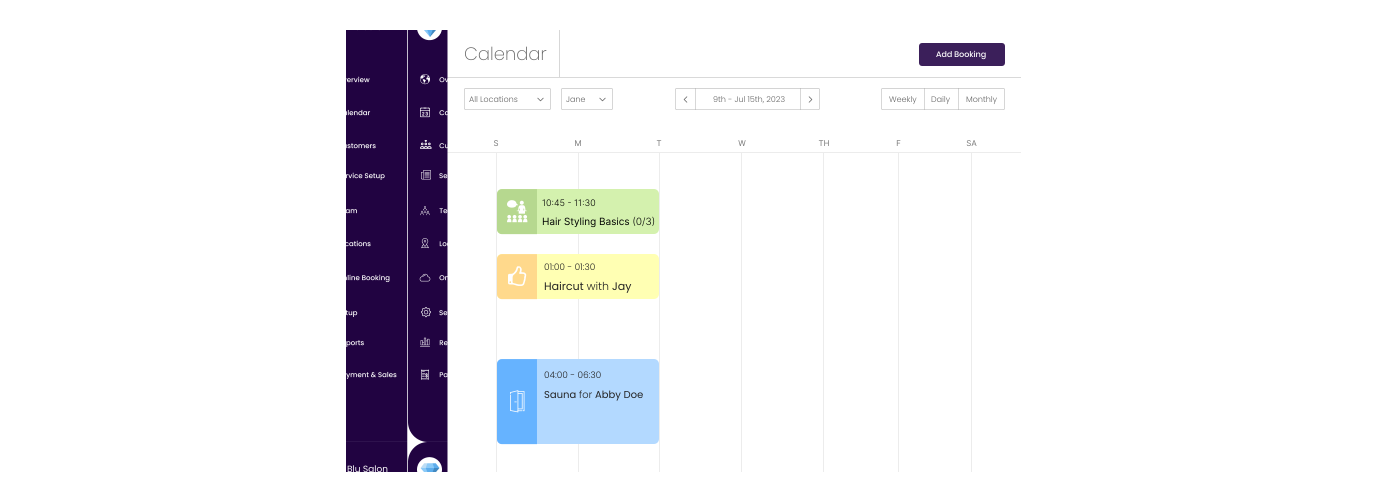
Credit: www.picktime.com
Pricing Models Explained
Choosing the best business scheduling software can be overwhelming. One critical aspect to consider is the pricing model. Understanding the different pricing models can help you select the right software that fits your budget and meets your needs.
Free Vs. Paid Options
When choosing business scheduling software, you will encounter both free and paid options. Free options are great for small businesses or startups with limited budgets. They often include basic features such as:
- Calendar integration
- Basic appointment scheduling
- Automated reminders
However, free versions may lack advanced features. For instance, they might not offer comprehensive time management solutions or robust team collaboration software. This could limit the efficiency of your business management tools.
Paid options, on the other hand, offer a wide range of features. These include:
- Advanced project management tools
- Customizable online booking systems
- Enhanced productivity software
Paid plans often come with better customer support and regular updates. This ensures that your scheduling apps remain effective and up-to-date.
Deciding between free and paid options depends on your business needs and budget. A free plan is good for basic needs. For more advanced functionalities, investing in a paid plan may be worthwhile.
Monthly Vs. Annual Plans
Another consideration is whether to choose a monthly or annual plan. Monthly plans are flexible and allow you to pay as you go. This is useful for businesses that are just starting or those with fluctuating needs. Here are some benefits of monthly plans:
- No long-term commitment
- Easy to upgrade or downgrade
- Better for testing different software
However, monthly plans can be more expensive in the long run. Annual plans, while requiring a larger upfront payment, often come with discounts. Here are some advantages of annual plans:
- Cost-effective
- Access to exclusive features
- Stability in planning and budgeting
Consider your business’s cash flow and long-term needs. Monthly plans offer flexibility, while annual plans provide savings and stability.
Value For Money
When evaluating business scheduling software, consider the value for money. It’s not just about the cost but what you get in return. Look for software that offers:
- Comprehensive appointment scheduling software
- Robust project management tools
- Effective time management solutions
Also, consider the quality of customer support. Good support can save you time and reduce frustrations. Check if the software integrates well with other tools you use, like CRM systems and email marketing platforms. This can enhance your overall productivity.
Here is a quick comparison table to help you understand:
| Feature | Free Plan | Paid Plan |
|---|---|---|
| Automated Reminders | Basic | Advanced |
| Calendar Integration | Limited | Comprehensive |
| Customer Support | Limited | 24/7 Support |
Assess the needs of your business. Choose a software that balances cost with the features and support you require.
Industry-specific Solutions
Choosing the right business scheduling software can transform how you manage appointments and resources. Industry-specific solutions cater to the unique needs of different sectors, enhancing efficiency and productivity. Let’s explore how specialized scheduling software benefits various industries.
Healthcare Scheduling
In the healthcare sector, efficient scheduling is crucial. Healthcare providers need to manage patient appointments, staff shifts, and resource allocation seamlessly. This is where Business Appointment Software and Employee Scheduling Software come in handy.
These tools ensure that medical professionals can focus on patient care rather than administrative tasks. Key features include:
- Automated Scheduling Platforms: Reduce manual errors and save time.
- Appointment Reminder Systems: Minimize no-shows with automated reminders via SMS or email.
- Resource Allocation Tools: Ensure optimal use of medical equipment and facilities.
- Calendar Integration Software: Sync schedules across different platforms for better coordination.
Consider the following table illustrating some popular healthcare scheduling tools:
| Software | Key Features |
|---|---|
| MedScheduler | Automated scheduling, appointment reminders, calendar integration |
| HealthTime | Resource allocation, staff management, online booking |
| DocAppointments | Patient scheduling, reminder systems, integration with EHR |
Education Sector Tools
Educational institutions require robust Scheduling Management Tools to handle classes, exams, staff meetings, and events. Effective scheduling ensures that teachers and students maximize their time and resources.
Some essential features for the education sector include:
- Online Booking Systems: Allow students to book appointments with teachers or counselors easily.
- Time Management Applications: Help teachers and students manage their schedules effectively.
- Resource Allocation Tools: Ensure that classrooms and other facilities are used efficiently.
- Automated Scheduling Platforms: Streamline the creation and management of class schedules.
The table below shows a few scheduling tools tailored for education:
| Software | Key Features |
|---|---|
| EduScheduler | Online booking, class scheduling, resource management |
| ClassTime | Time management, automated scheduling, calendar integration |
| SchoolPlanner | Exam scheduling, staff meeting management, appointment reminders |
Corporate Scheduling Needs
Corporations need Workforce Scheduling Solutions that cater to diverse business needs. From meetings to project timelines, efficient scheduling is vital for productivity and coordination.
Key features for corporate scheduling include:
- Calendar Integration Software: Syncs with existing calendars for seamless scheduling.
- Time Management Applications: Track and manage employee time effectively.
- Employee Scheduling Software: Manage shifts, vacations, and availability of staff.
- Appointment Reminder Systems: Ensure meetings and deadlines are not missed.
Below is a table highlighting some corporate scheduling tools:
| Software | Key Features |
|---|---|
| CorpScheduler | Employee scheduling, calendar integration, appointment reminders |
| BizTime | Time management, resource allocation, automated scheduling |
| WorkPlanner | Shift management, online booking, time tracking |
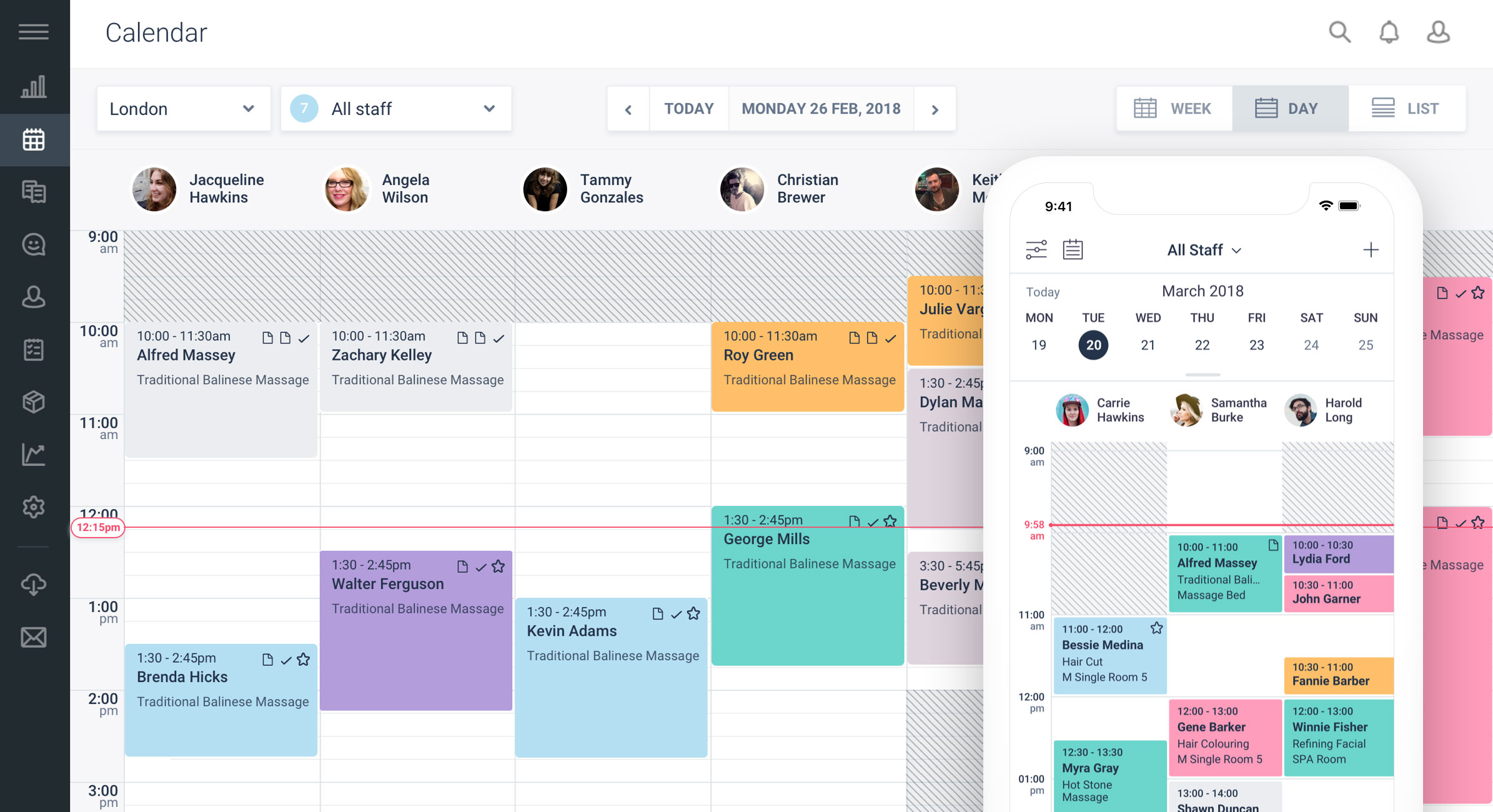
Credit: www.shedul.com
User Reviews And Ratings
Choosing the best business scheduling software can be challenging. User reviews and ratings play a crucial role in this decision-making process. They provide insights into the software’s real-world performance, usability, and reliability. Let’s explore what users have to say about their experiences with various scheduling software options.
Customer Feedback
Customer feedback is essential in understanding the strengths and weaknesses of scheduling software. Users often highlight the ease of use, customer support, and feature set. Here are some common themes found in user reviews:
- Ease of Use: Many users appreciate software that is intuitive and requires minimal training.
- Customer Support: Positive feedback often mentions responsive and helpful support teams.
- Feature Set: Users value a robust set of features, including online booking systems and workflow automation tools.
For example, a review for a popular client scheduling software might mention:
“The software is incredibly user-friendly. Our team quickly adapted to it, and the customer support is fantastic.”
Another review could highlight:
“The online booking system has streamlined our appointment scheduling process, saving us a lot of time.”
Ratings often accompany these reviews, providing a quick snapshot of user satisfaction. A table might look like this:
| Software | Ease of Use | Customer Support | Features | Overall Rating |
|---|---|---|---|---|
| Software A | 4.5/5 | 4.7/5 | 4.6/5 | 4.6/5 |
| Software B | 4.3/5 | 4.4/5 | 4.5/5 | 4.4/5 |
Case Studies
Case studies offer a detailed look at how businesses use scheduling software to improve their operations. These real-world examples highlight the benefits and challenges of implementing such tools. Here are some examples:
A small business implemented an appointment scheduling tool to manage customer bookings. They reported a 30% increase in bookings within the first three months. The software’s online booking system allowed customers to schedule appointments at their convenience. This led to higher customer satisfaction and repeat business.
A large enterprise adopted enterprise scheduling solutions to coordinate meetings and resource allocation. The company experienced a 20% reduction in scheduling conflicts. The resource management software provided a centralized platform for managing team schedules and resources, improving overall workflow efficiency.
A healthcare provider used a time management application to streamline patient appointments. The software enabled patients to book appointments online, reducing no-shows by 15%. The provider also benefited from automated reminders and real-time updates, enhancing the patient experience.
Comparison Charts
Comparison charts help visualize the differences between various scheduling software options. These charts can compare features, pricing, and user ratings, aiding in the decision-making process. Here’s an example of a comparison chart:
| Feature | Software A | Software B | Software C |
|---|---|---|---|
| Online Booking System | Yes | Yes | No |
| Workflow Automation Tools | Yes | No | Yes |
| Customer Support | 24/7 | Business Hours | 24/5 |
| Pricing | $20/month | $15/month | $25/month |
Such charts make it easier to compare different software options at a glance. Users can quickly identify which tool best meets their needs. For example, a business that prioritizes 24/7 customer support might prefer Software A, while a budget-conscious user might choose Software B.
Key Takeaway: Comparison charts simplify the selection process, allowing users to focus on the features and services that matter most to them.
Getting Started With Scheduling Software
Best Business Scheduling Software can streamline your operations, improve time management, and enhance productivity. With many options available, getting started with scheduling software can seem overwhelming. This guide will help you navigate the initial steps and set you up for success.
Setting Up Your Account
Setting up your account is the first step in using business scheduling tools. Follow these steps to get started:
- Choose the Right Platform: Select a scheduling software that meets your business needs, such as Automated Booking Systems or Team Scheduling Applications.
- Sign Up: Create an account using your business email. Some platforms offer a free trial, so take advantage of this to explore features.
- Complete Your Profile: Fill out your business information, including your business name, contact details, and working hours.
- Set Up Calendar Integration: Connect your scheduling software with your existing calendar. This integration ensures all your appointments sync automatically.
Here is a quick comparison of popular Appointment Management Software:
| Software | Features | Free Trial |
|---|---|---|
| Software A | Calendar Integration, Automated Reminders | Yes |
| Software B | Client Scheduling Software, Time Management Applications | Yes |
| Software C | Online Scheduling Solutions, Meeting Management Tools | No |
Best Practices
Adopting best practices ensures you get the most out of your scheduling software:
- Regularly Update Your Schedule: Keep your availability up-to-date to avoid conflicts.
- Use Automated Reminders: Set up automated reminders for appointments to reduce no-shows.
- Customize Booking Rules: Define booking rules to prevent double bookings and manage time slots effectively.
- Train Your Team: Ensure your team knows how to use the software. This maximizes the benefits of your productivity software for teams.
Incorporating these practices can help you manage appointments and meetings efficiently, leading to better time management and increased productivity.
Common Pitfalls To Avoid
Avoiding common pitfalls can save you time and frustration:
- Overlooking Calendar Integration: Failing to integrate your calendar can lead to double bookings and missed appointments.
- Ignoring Software Updates: Regular updates often include new features and bug fixes. Ignoring them can affect your software’s performance.
- Not Setting Clear Policies: Without clear booking policies, you risk overcommitting or underutilizing your resources.
- Skipping User Training: Ensure everyone knows how to use the software to avoid mismanagement and inefficiencies.
By avoiding these pitfalls, you can ensure smooth operation and make the most of your Client Scheduling Software and Meeting Management Tools.
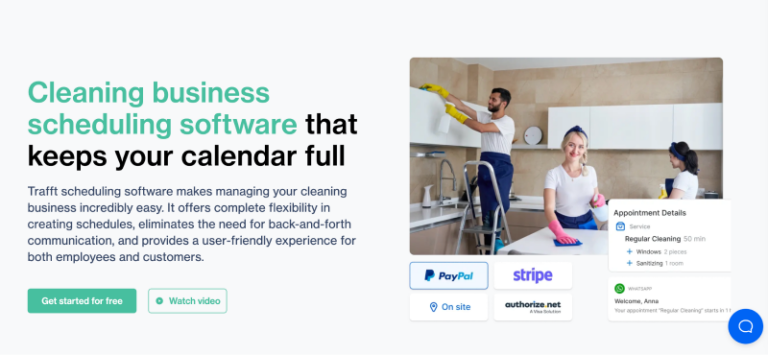
Credit: trafft.com
Future Trends In Scheduling Software
In the fast-paced world of business, scheduling software has become an essential tool. As companies strive for efficiency, the best business scheduling software must adapt to the ever-evolving landscape. Future trends in scheduling software are set to revolutionize the way businesses manage their time and resources. Let’s explore these trends.
Ai And Automation
AI and automation are at the forefront of scheduling software advancements. They offer numerous benefits that streamline operations and enhance productivity. Here’s how:
- Automated Scheduling: AI algorithms analyze data to predict the best times for meetings and tasks. This ensures optimal time management.
- Smart Reminders: Automated reminders reduce no-shows and keep everyone on track.
- Data-Driven Insights: AI provides insights into employee productivity and scheduling patterns. This helps in making informed decisions.
Consider a table that demonstrates the benefits of AI and automation:
| Feature | Benefit |
|---|---|
| Automated Scheduling | Optimizes meeting times, reduces conflicts |
| Smart Reminders | Decreases no-shows, enhances punctuality |
| Data Insights | Improves decision-making, boosts productivity |
Remote Work Adaptations
With the rise of remote work, scheduling software must adapt to new challenges. Remote team scheduling has unique needs:
- Time Zone Management: Scheduling across different time zones can be tricky. The software must adjust for these differences automatically.
- Virtual Meetings Integration: Seamless integration with video conferencing tools like Zoom or Microsoft Teams is crucial. This ensures smooth communication.
- Flexibility: Remote work requires flexible scheduling options. Employees should easily adjust their schedules as needed.
Effective remote work adaptations can be seen in:
- Time Zone Conversion: Scheduling tools that automatically convert time zones.
- Virtual Meeting Links: Automated insertion of meeting links in calendar invites.
- Asynchronous Workflows: Tools that support flexible, non-linear work hours.
Integration With Other Tools
For scheduling software to be effective, it must integrate well with other tools. Integration with other tools enhances the functionality and usability of scheduling software:
- Calendar Management: Integration with Google Calendar or Outlook ensures all appointments are in one place.
- Team Collaboration Software: Tools like Slack or Trello can sync with scheduling software. This fosters better communication and task management.
- Productivity Software: Integration with tools like Asana or Monday.com helps in tracking tasks and deadlines efficiently.
Here’s a snapshot of how integration enhances scheduling:
| Tool | Benefit |
|---|---|
| Google Calendar | Unified view of all appointments |
| Slack | Improved team communication |
| Asana | Better task tracking and management |
Business appointment software that integrates with other tools simplifies workflow automation and enhances overall productivity. This is essential for modern businesses.
Frequently Asked Questions
What Is Business Scheduling Software?
Business scheduling software helps businesses manage appointments, meetings, and employee schedules. It automates tasks, improves efficiency, and enhances productivity.
Why Use Business Scheduling Software?
Using business scheduling software saves time, reduces errors, and improves organization. It helps manage appointments and schedules efficiently.
How Does Scheduling Software Improve Productivity?
Scheduling software streamlines processes, reduces manual tasks, and minimizes scheduling conflicts. It ensures efficient time management and boosts productivity.
What Features Should Scheduling Software Have?
Essential features include calendar integration, automated reminders, and employee scheduling. It should also offer reporting and analytics for better insights.
Conclusion
Selecting the best business scheduling software is essential for efficiency. It helps streamline tasks and manage time effectively. The right software saves you time and reduces stress. Explore options and choose what fits your needs. Consider ease of use, features, and support.
Implementing the right tool can transform your scheduling process. Start today and see the difference it makes. Your business deserves the best tools to thrive. Happy scheduling!

11 Responses