

Appointment scheduling software helps businesses manage appointments efficiently. It automates booking, reminders, and cancellations.
In today’s fast-paced world, keeping track of appointments can be challenging. Appointment scheduling software solves this problem by streamlining the process. Businesses can save time and reduce errors with this tool. It allows clients to book appointments online, eliminating the need for phone calls.
Businesses can also send automated reminders to clients, reducing no-shows. This software is essential for any business that relies on appointments. From salons to doctors, it makes scheduling easy and efficient. Understanding how this software works can greatly improve your business operations. Let’s explore what appointment scheduling software is and why it matters.
Introduction To Appointment Scheduling Software
Appointment scheduling software helps businesses manage bookings. This software simplifies the process of arranging meetings and appointments. It’s a vital tool for businesses of all sizes.
Definition And Purpose
Appointment scheduling software is a digital tool. It allows customers to book appointments online. Businesses use it to manage their schedules efficiently. The software automates the booking process. This reduces the need for manual scheduling. It also minimizes errors and double-bookings.
Importance For Businesses
Using appointment scheduling software offers many benefits. It saves time and reduces administrative tasks. Businesses can focus on serving customers better. The software provides 24/7 booking options. Customers can book appointments at their convenience. This enhances customer satisfaction.
Below is a table highlighting key features:
| Feature | Benefit |
|---|---|
| Automated Reminders | Reduces no-shows |
| Online Booking | Increases accessibility |
| Calendar Integration | Syncs with existing calendars |
| Customer Management | Stores customer details |
Appointment scheduling software is essential. It improves efficiency and customer experience. Investing in it can lead to significant business growth.

Credit: www.tekkiwebsolutions.com
Key Features Of Appointment Scheduling Software
Appointment scheduling software has become a vital tool for businesses. It helps streamline the booking process and saves time. Understanding the key features is essential for making the most of this technology.
Automated Booking
Automated booking is a crucial feature. It allows clients to book appointments online. This reduces the need for phone calls and emails. The system updates in real-time, showing available slots. This ensures no double-booking happens.
Calendar Integration
Calendar integration is another important feature. It syncs with your existing calendar. This could be Google Calendar, Outlook, or another service. It helps you keep track of all your appointments in one place. You don’t need to switch between different tools.
Reminders And Notifications
Reminders and notifications keep everyone on the same page. The software sends automated reminders to clients. This reduces no-shows and late arrivals. You can customize the notifications. They can be sent via email, SMS, or both.
Also Read: Best business scheduling software
Benefits For Businesses
Appointment scheduling software offers significant benefits for businesses. It streamlines processes and enhances customer satisfaction. Below are the key benefits:
Improved Efficiency
Appointment scheduling software improves efficiency by automating manual tasks. Employees spend less time managing schedules. This frees up time for more important tasks.
- Automated reminders reduce missed appointments.
- Easy rescheduling saves time.
- Centralized system minimizes errors.
Businesses can handle more clients without extra staff. This leads to increased productivity and cost savings.
Enhanced Customer Experience
Customers appreciate the convenience of online booking. They can schedule appointments at any time. This flexibility improves their experience.
- 24/7 booking availability.
- Instant confirmations via email or SMS.
- Easy access to appointment history.
Happy customers are more likely to return and refer others. This boosts customer loyalty and business growth.
Reduced No-shows
No-shows can hurt business revenue. Appointment scheduling software helps reduce no-shows. Automated reminders keep clients informed.
- Email and SMS reminders.
- Option to confirm or reschedule.
- Easy cancellation process.
Fewer no-shows mean better resource utilization. This results in higher profits and smoother operations.
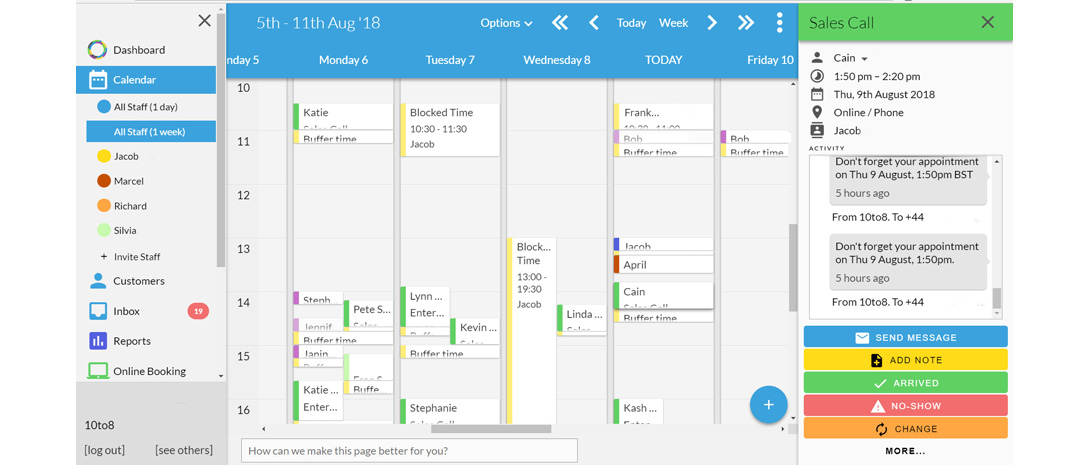
Credit: www.emrsystems.net
Types Of Appointment Scheduling Software
Understanding the different types of appointment scheduling software can help you find the best fit for your business. Each type offers unique features and benefits. Let’s dive into the main categories:
Cloud-based Solutions
Cloud-based appointment scheduling software operates over the internet. It is accessible from any device with an internet connection. These solutions typically offer real-time updates and notifications. They are ideal for businesses with multiple locations or remote teams. Popular features include:
- Automatic updates
- Data backups
- Scalability
Many cloud-based solutions also integrate easily with other software. This can streamline your workflow and improve efficiency.
On-premise Solutions
On-premise appointment scheduling software is installed directly on your company’s servers. It provides a higher level of control and customization. This type is suitable for businesses with specific security requirements. Key benefits include:
- Full control over data
- Customizable features
- No dependency on internet connectivity
On-premise solutions may require a dedicated IT team for maintenance and updates.
Mobile Applications
Mobile appointment scheduling apps offer the flexibility to manage appointments on the go. These apps are designed for smartphones and tablets. They are perfect for small businesses or individual professionals. Notable features include:
- Push notifications
- Easy rescheduling
- Client communication
Mobile apps often synchronize with other scheduling tools, ensuring seamless integration.
Choosing The Right Software
Choosing the right appointment scheduling software is crucial for any business. This decision impacts productivity, customer satisfaction, and overall efficiency. With many options available, it’s essential to find software that aligns with your specific needs. Here’s a guide to help you make an informed choice.
Assessing Business Needs
Begin by understanding your business requirements. Ask yourself:
- How many appointments do you schedule daily?
- Do you need integration with other systems?
- Is mobile access important for your team?
Knowing the answers to these questions will help narrow down the choices. For example, a small clinic might have different needs compared to a large corporate office.
Evaluating Features
Next, evaluate the features of the software. Key features to look for include:
| Feature | Importance |
|---|---|
| Automated reminders | Reduces no-shows |
| Online booking | Convenience for clients |
| Calendar sync | Keeps everyone on the same page |
| Reporting tools | Track performance |
Consider which features are essential and which are nice-to-have. This will help you find software that fits your needs without overwhelming you with unnecessary options.
Budget Considerations
Finally, consider your budget. Appointment scheduling software can range from free to several hundred dollars a month. Here’s a simple breakdown:
- Free or low-cost options: Basic features, suitable for small businesses.
- Mid-range options: More features, support for larger teams.
- High-end options: Advanced features, excellent support, enterprise-level solutions.
Determine how much you are willing to spend and balance it with the features you need. Remember, the most expensive option is not always the best fit for every business.
Learn more about calendar & scheduling software: TidyCal
Implementing Appointment Scheduling Software
Implementing appointment scheduling software can streamline your booking process. It enhances efficiency and improves customer satisfaction. Proper implementation ensures you get the most out of your software.
Onboarding And Training
Begin with effective onboarding and training for your staff. Provide clear instructions and resources. Use tutorials, guides, and hands-on practice. Ensure everyone understands how to use the software.
Schedule regular training sessions. Address any questions or concerns promptly. This reduces errors and boosts confidence in using the system.
Integration With Existing Systems
Integration with your existing systems is crucial. It ensures seamless workflow and data consistency. Check compatibility with your current tools. This includes CRM, email, and calendar applications.
Choose software that supports easy integration. This minimizes disruptions and ensures a smooth transition. Consult with your IT team if needed.
Monitoring And Optimization
After implementation, monitor the system’s performance. Track key metrics like booking rates and customer feedback. Use this data to identify any issues or areas for improvement.
Regularly optimize your appointment scheduling software. Update settings and features as needed. This ensures it continues to meet your business needs.
Case Studies And Success Stories
Appointment scheduling software has transformed how businesses manage appointments. This software automates scheduling, reduces no-shows, and enhances customer experience. Case studies and success stories show the real impact of this technology. They demonstrate its effectiveness across various business sizes and industries.
Small Business Examples
Many small businesses benefit from appointment scheduling software. For example, a local salon used the software to manage bookings. This resulted in a 30% increase in customer retention. The software sent automated reminders to clients, reducing no-shows.
Another example is a small dental clinic. They implemented appointment scheduling software to streamline their booking process. This led to a 25% increase in efficiency. Patients appreciated the ease of online booking. Staff had more time to focus on patient care.
Enterprise Examples
Large enterprises also see significant benefits. A global consulting firm adopted scheduling software. It helped manage the complex booking needs of their consultants. The software integrated with their existing systems. This resulted in a 40% reduction in scheduling conflicts.
Another case is a multinational healthcare provider. They used appointment scheduling software to coordinate patient appointments across multiple locations. This led to a 35% improvement in patient satisfaction. The software’s robust features handled high volumes of appointments seamlessly.
Industry-specific Examples
Different industries also benefit from appointment scheduling software. A veterinary clinic used the software to manage appointments for pet check-ups. They saw a 20% increase in operational efficiency. Pet owners appreciated the convenience of online booking and reminders.
A fitness center implemented scheduling software to manage class bookings. The software allowed members to book classes online. This resulted in a 50% increase in class attendance. Members loved the ease of booking and the ability to see class schedules in real-time.
These case studies and success stories highlight the versatility and effectiveness of appointment scheduling software. From small businesses to large enterprises, and across various industries, the impact is clear. This technology simplifies scheduling, improves efficiency, and enhances customer satisfaction.
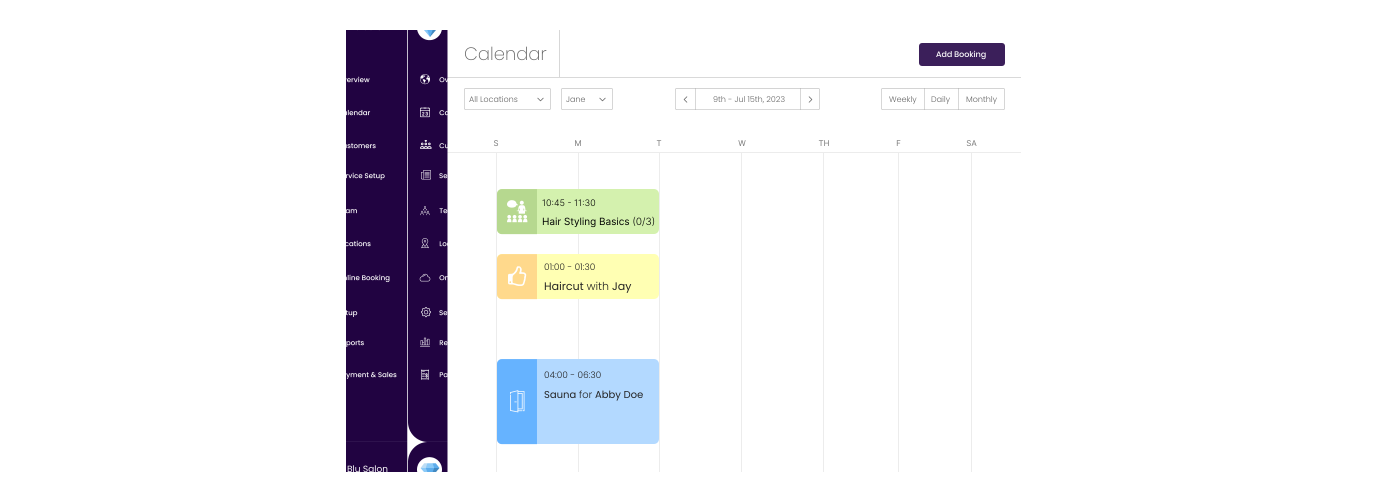
Credit: www.picktime.com
Future Trends In Appointment Scheduling
The future of appointment scheduling software is evolving rapidly. Businesses seek efficient and user-friendly solutions to manage appointments. Let’s explore some exciting trends shaping the future of this technology.
Ai And Machine Learning
AI and machine learning are transforming appointment scheduling. These technologies enable smart scheduling by predicting optimal times. They can analyze patterns and preferences, offering personalized scheduling options. This reduces no-shows and enhances customer satisfaction.
Increased Mobile Usage
Mobile usage continues to grow. Appointment scheduling software must adapt. Users want to book appointments on the go. Mobile-friendly interfaces and apps are becoming essential. This trend makes scheduling more convenient for users.
Enhanced Data Security
Data security is a top concern. Appointment scheduling software must protect sensitive information. Advanced encryption and secure servers are crucial. Users need to trust that their data is safe. Companies must prioritize robust security measures.
Frequently Asked Questions
What Is Appointment Scheduling Software?
Appointment scheduling software is a tool that helps businesses manage and schedule appointments. It automates booking, cancellations, and reminders.
How Does Appointment Scheduling Software Work?
It syncs with calendars and allows clients to book appointments online. It sends reminders and updates automatically.
What Are The Benefits Of Using Appointment Scheduling Software?
It saves time, reduces no-shows, and improves customer satisfaction. It also streamlines administrative tasks.
Is Appointment Scheduling Software Secure?
Yes, most appointment scheduling software uses encryption and secure protocols to protect data. Always check for security features.
Conclusion
Appointment scheduling software simplifies managing appointments. It saves time and reduces stress. Businesses can operate smoothly. Clients enjoy a better experience. The software is user-friendly and efficient. Investing in it can greatly benefit your business. Consider it to improve your appointment process.
Make your scheduling hassle-free and organized. Start exploring options today.

One Response