

AWS hosting costs can vary. They depend on your specific needs and usage.
In this blog post, we will explore the factors that influence AWS hosting costs. Understanding these factors can help you manage your budget more effectively. Amazon Web Services (AWS) offers a wide range of hosting solutions. These solutions cater to different business needs.
The cost of AWS hosting is not fixed. It varies based on several factors. These include the type of services you use, your storage requirements, and the amount of data you transfer. By knowing these details, you can estimate your expenses better. In this post, we will break down the main cost components. This will help you make informed decisions about your AWS hosting budget. Stay tuned to learn more.
Introduction To Aws Hosting Costs
AWS hosting costs vary widely based on usage and services. Pricing depends on factors like storage, data transfer, and computing power. Understanding these elements can help manage expenses effectively.
Amazon Web Services (AWS) offers a wide range of hosting solutions. These solutions cater to various business needs. Understanding AWS hosting costs is vital. It helps in planning and budgeting for your business. AWS pricing can be complex. But, with the right knowledge, you can manage your expenses effectively.Why Aws?
AWS is a popular choice for hosting services. It provides reliable and scalable solutions. Many businesses trust AWS for its flexibility. It supports a variety of applications and workloads. AWS also offers global data centers. This ensures your data is always available and secure.Cost Factors
Several factors influence AWS hosting costs. First, consider the type of service you need. Different services have different pricing models. For example, EC2 instances have variable costs based on usage. Next, think about storage requirements. AWS offers various storage options. Each comes with its own pricing structure. Another factor is data transfer. Costs can vary based on the amount of data transferred. AWS also has pricing based on regions. Hosting in different regions may have different costs. Lastly, consider the level of support you need. AWS offers different support plans. Each plan has a different cost. Understanding these factors can help you manage your AWS hosting budget. You can choose services that fit your needs and budget. This ensures you get the best value from AWS hosting. “`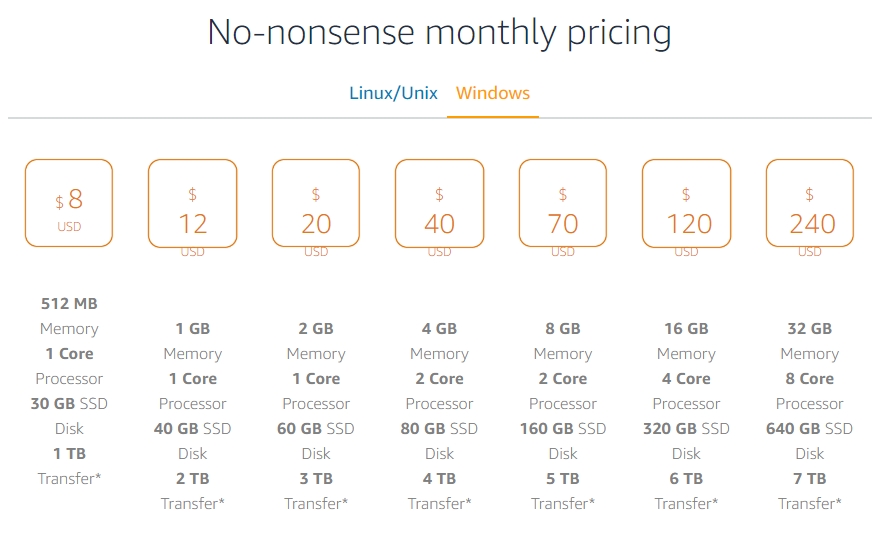
Credit: www.easydeploy.io
On-demand Pricing
On-Demand Pricing is a flexible and cost-effective option for AWS hosting. It allows you to pay only for the resources you use without long-term commitments. This pricing model is ideal for businesses that need scalable and adaptable solutions. Let’s dive into the details.
Pay-as-you-go
Pay-As-You-Go is the core of On-Demand Pricing. You pay for the computing power you use each hour or second. This model offers flexibility and control over your expenses. You can scale up or down based on your needs. No upfront costs or termination fees.
Usage Scenarios
On-Demand Pricing suits several usage scenarios. Startups with unpredictable growth benefit from it. Seasonal businesses can scale resources during peak times. Development and testing environments also find it useful. They can spin up instances as needed and shut them down when done.
Reserved Instances
When it comes to AWS hosting costs, one of the most effective ways to save money is through Reserved Instances. Reserved Instances offer significant discounts compared to On-Demand pricing, making them an attractive option for businesses looking to optimize their cloud expenses. In this section, we’ll delve into the advantages of Reserved Instances, focusing on Long-Term Savings and Commitment Plans.
Long-term Savings
Imagine locking in a deal that allows you to save up to 75% on your AWS hosting costs. Sounds too good to be true? Well, with Reserved Instances, it’s entirely possible. By committing to a longer-term contract, you can enjoy substantial savings. The longer the term, the better the discount. Here’s a quick breakdown:
| Term Length | Discount |
|---|---|
| 1 Year | Up to 40% |
| 3 Years | Up to 75% |
These savings can add up quickly, especially for businesses with predictable workloads. It’s like buying in bulk at the grocery store – the more you commit, the more you save.
Commitment Plans
Now, let’s talk about the different commitment plans available with Reserved Instances. AWS offers three primary options:
- No Upfront Payment: Perfect if you’re tight on budget. You pay monthly, but you still get a discount.
- Partial Upfront Payment: A balanced approach. You pay a portion upfront and the rest monthly, enjoying higher savings.
- All Upfront Payment: If you’ve got the cash, go for this. Pay everything upfront and reap the maximum discount.
Choosing the right plan depends on your financial situation and how comfortable you are with long-term commitments. Think of it like choosing a mobile phone plan – you want the best deal, but it has to fit your needs.
In conclusion, Reserved Instances can be a game-changer for your AWS hosting costs. By understanding and leveraging Long-Term Savings and Commitment Plans, you can make smart financial decisions that benefit your business in the long run. So, why not take advantage of these savings and make your cloud hosting more cost-effective?
Spot Instances
When it comes to AWS hosting, Spot Instances can be a game-changer for your budget. They allow you to take advantage of unused EC2 capacity at significantly lower prices. If you are flexible with your instance timings and can handle interruptions, Spot Instances can save you a lot of money. Let’s dive into how this works and how you can benefit from it.
Bid-based Pricing
Spot Instances are all about bidding. You set a price you’re willing to pay for the instance, and if the current spot price is below your bid, you get the instance. Simple, right? The catch here is that the spot price fluctuates based on supply and demand. So, your instance might be terminated if the spot price exceeds your bid. It’s a bit of a gamble, but if you play your cards right, it can pay off.
Here’s an example to illustrate:
| Bid Price | Spot Price | Outcome |
|---|---|---|
| $0.10/hour | $0.08/hour | Instance allocated |
| $0.10/hour | $0.12/hour | Instance terminated |
So, how do you decide what to bid? That’s where strategy comes in. Look at historical spot prices, understand your application’s tolerance for interruptions, and set your bid wisely.
Cost Efficiency
Now, let’s talk about the real reason you’re here: saving money. Spot Instances can be up to 90% cheaper than On-Demand instances. Yes, you read that right – 90%! This is huge, especially for applications that can withstand occasional interruptions, like batch processing, data analysis, or testing environments.
- Consider running non-critical tasks on Spot Instances.
- Use Spot Fleets to diversify across different instance types and availability zones.
- Combine Spot Instances with Reserved Instances for a balanced approach.
Think of it like this: you wouldn’t buy a sports car just for grocery shopping, right? Similarly, don’t use expensive On-Demand instances for tasks that can easily be handled by cheaper Spot Instances.
So, what’s the takeaway here? If you can manage the occasional hiccup, Spot Instances are a fantastic way to cut costs. And who doesn’t want to save a few bucks? It’s like finding money in your old jeans pocket – a pleasant surprise!
In summary, Spot Instances are a powerful tool in your AWS hosting arsenal. With bid-based pricing and incredible cost efficiency, they offer a smart way to optimize your cloud spending. Happy bidding!
Free Tier Options
When diving into the world of AWS hosting, one of the most attractive aspects for newcomers is the Free Tier Options. These options give you the chance to explore and utilize many of AWS’s services without the need to empty your wallet. But what exactly does the Free Tier entail? Let’s take a closer look at some important details.
Eligibility
First things first: Eligibility. Not everyone can just jump in and start using AWS services for free. To be eligible for the AWS Free Tier, you need to be a new AWS customer. If you’ve never signed up for AWS before, you’re in luck. The Free Tier is designed to give new users a taste of what AWS has to offer, without the initial cost. This way, you can test out various services and see how they fit into your workflow.
Here are some key points about eligibility:
- Available to new AWS customers
- Valid for 12 months from the date of your AWS account creation
- Includes various services with specific usage limits
So, if you’re thinking about trying AWS, make sure you sign up with a fresh account to take advantage of these free services.
Service Limits
Now, let’s talk about Service Limits. While the Free Tier is indeed free, it does come with some restrictions. These limits are set to ensure that users can explore and experiment without incurring charges, but they are not meant for heavy production workloads.
Here’s a breakdown of some popular AWS services and their Free Tier limits:
| Service | Free Tier Limit | Period |
|---|---|---|
| Amazon EC2 | 750 hours of t2.micro or t3.micro instances | Per month |
| Amazon S3 | 5 GB of standard storage | Per month |
| Amazon RDS | 750 hours of db.t2.micro or db.t3.micro instances | Per month |
| Amazon Lambda | 1 million free requests | Per month |
These are just a few examples. AWS offers a wide range of services with different limits under the Free Tier. It’s crucial to monitor your usage to avoid unexpected charges once you exceed these limits. AWS provides tools and alerts to help you keep track of your usage, making it easier to stay within the free boundaries.
In summary, the AWS Free Tier is a fantastic opportunity for new users to get acquainted with AWS services without spending a dime. Just remember to check your eligibility, be aware of the service limits, and make the most out of this generous offering. Happy hosting!
Additional Costs
When considering the cost of AWS hosting, it’s crucial to look beyond just the basic pricing structures. There are several additional costs that can significantly impact your overall expenditure. Understanding these costs can help you better estimate your budget and avoid unexpected charges. Let’s dive into some of the key additional costs you need to be aware of.
Data Transfer Fees
Data transfer fees can be a bit of a surprise if you’re not prepared. These fees are charged when data moves in and out of your AWS servers. For example, if you have a website hosted on AWS and visitors from around the world access it, you will incur data transfer costs.
- Inbound Data Transfer: The good news is that data coming into AWS is generally free. So, uploading files to your server won’t cost you anything.
- Outbound Data Transfer: This is where costs can add up. AWS charges for data that leaves their servers. The more data your users download or access, the higher the cost.
Here’s a quick breakdown of typical outbound data transfer rates:
| Data Transfer Out | Cost per GB |
|---|---|
| First 1 GB per month | Free |
| Up to 10 TB per month | $0.09 |
| Next 40 TB per month | $0.085 |
| Over 150 TB per month | $0.07 |
Storage Costs
Storage is another area where costs can vary. AWS offers different types of storage solutions, each with its own pricing model. Understanding these can help you choose the most cost-effective option for your needs.
- Amazon S3: This is one of the most popular storage services. It’s suitable for storing large amounts of data. The cost depends on the amount of data stored and the frequency of access.
- Amazon EBS: This service is used for block storage, which is ideal for databases and applications that require frequent read/write operations. Costs are based on the volume of storage and the type of EBS volume you choose.
- Amazon Glacier: This is a low-cost storage service for data that is infrequently accessed. It’s perfect for archiving and long-term backup. The cost is significantly lower, but retrieval can be slow and may incur additional fees.
Here’s a simple table to illustrate typical storage costs:
| Storage Type | Cost per GB per Month |
|---|---|
| Amazon S3 Standard | $0.023 |
| Amazon S3 Infrequent Access | $0.0125 |
| Amazon Glacier | $0.004 |
Keep in mind that these prices are subject to change, and AWS often offers new pricing models and discounts. So, it’s wise to keep an eye on their pricing updates.
In conclusion, while AWS hosting can be very cost-effective, it’s essential to factor in these additional costs to avoid any surprises. By understanding data transfer fees and storage costs, you can better plan your budget and make informed decisions about your AWS usage.
Cost Management Tools
Understanding the costs associated with AWS hosting can be challenging. AWS provides several cost management tools to help users monitor and control their spending. These tools can help you make informed decisions and avoid unexpected charges.
Aws Cost Explorer
AWS Cost Explorer is a helpful tool for visualizing your AWS costs. It allows you to see your spending patterns over time. You can create custom reports to track your usage and costs. The tool offers filters to view data by service, region, or tag. Cost Explorer also provides forecasts to predict future spending based on past trends.
Using Cost Explorer, you can identify areas where you can save money. You can analyze your spending and adjust your usage to reduce costs. This tool is essential for anyone managing multiple AWS services.
Budget Alerts
Budget Alerts help you stay within your budget. You can set up custom budgets for your AWS usage. When your spending reaches a certain threshold, you will receive an alert. These alerts can be sent via email or SMS.
By using Budget Alerts, you can prevent unexpected charges. You can monitor your spending in real-time and take action if needed. Setting up Budget Alerts is simple and can save you money in the long run.
Both AWS Cost Explorer and Budget Alerts are essential for effective cost management. They provide the tools needed to track, analyze, and control your AWS hosting expenses.
Best Practices For Cost Optimization
When it comes to managing your AWS hosting costs, employing the right strategies can make a significant difference. Cost optimization is key to ensuring you get the best value for your money while maintaining the performance and reliability of your applications. Below, we discuss some best practices for cost optimization to help you make informed decisions and save money on your AWS hosting.
Right-sizing Resources
One of the most effective ways to optimize your AWS costs is by right-sizing your resources. This means selecting the right type and size of instances and services that match your workload requirements. Here are some tips to get started:
- Regularly review your resource usage to identify underutilized instances.
- Consider using Amazon EC2 Instance Types that are better suited to your workload needs.
- Use AWS Trusted Advisor to get recommendations on optimizing your resources.
- Take advantage of Reserved Instances or Savings Plans for predictable workloads to get significant discounts.
Imagine you have a small business website. Initially, you might have chosen a larger instance thinking it’s better to be safe. However, after a few months, you notice that your instance is barely being used. By switching to a smaller instance, you could save a significant amount of money without affecting performance.
Using Auto Scaling
Auto Scaling is another powerful tool for optimizing your AWS costs. It helps you automatically adjust the number of instances in response to the demand, ensuring you only pay for what you use. Here are some best practices for using Auto Scaling:
- Set up Auto Scaling groups to automatically adjust the number of instances based on your defined policies.
- Monitor your application’s performance and set up scaling policies that match your workload patterns.
- Utilize Elastic Load Balancing to distribute traffic evenly across your instances, improving fault tolerance and availability.
- Enable scaling based on both CPU utilization and network traffic to ensure a balanced approach.
For example, think of a retail website that experiences high traffic during sales events and holidays. Instead of manually adding instances, Auto Scaling can automatically increase capacity during peak times and reduce it during off-peak hours, saving costs and ensuring optimal performance.
In conclusion, by right-sizing your resources and using Auto Scaling, you can significantly reduce your AWS hosting costs while maintaining the performance and reliability of your applications. Remember, cost optimization is an ongoing process, so regularly review your usage and adjust your strategies as needed.
Case Studies
When considering AWS hosting costs, real-world examples can offer invaluable insights. From small businesses to large enterprises, understanding how others manage their expenses can help you make informed decisions. Let’s delve into two distinct case studies to see how AWS hosting costs play out in different scenarios.
Small Business Example
Meet Sarah, the owner of a budding e-commerce store. Sarah’s business started small, and she wanted an affordable yet reliable hosting solution. AWS seemed like a perfect choice. Here’s a breakdown of her monthly costs:
| Service | Monthly Cost |
|---|---|
| EC2 Instances | $50 |
| S3 Storage | $20 |
| RDS Database | $30 |
| Other Services | $10 |
Sarah managed to keep her costs low by carefully selecting only the services she needed. She often used AWS’s free tier benefits and optimized her usage. Her strategy? Start small and scale as needed. This approach allowed her to avoid unnecessary expenses while ensuring her business grew steadily.
Enterprise Example
Now, let’s talk about Tom. Tom is the CTO of a large tech company. His needs are vastly different from Sarah’s. With hundreds of employees and millions of users, Tom’s hosting requirements are substantial. Here’s a look at his monthly expenses:
| Service | Monthly Cost |
|---|---|
| EC2 Instances | $5,000 |
| S3 Storage | $1,500 |
| RDS Database | $2,000 |
| Other Services | $500 |
Tom’s company leverages AWS’s powerful infrastructure to handle high traffic and complex operations. The costs are higher, but the benefits are immense. AWS ensures reliability, scalability, and security, which are crucial for Tom’s enterprise. He often uses reserved instances to cut costs and implements automation to optimize usage.
In conclusion, AWS hosting costs can vary significantly based on your business size and requirements. Whether you’re a small business owner like Sarah or managing a large enterprise like Tom, understanding your needs and exploring AWS’s offerings can help you optimize your expenses and get the most out of your investment.
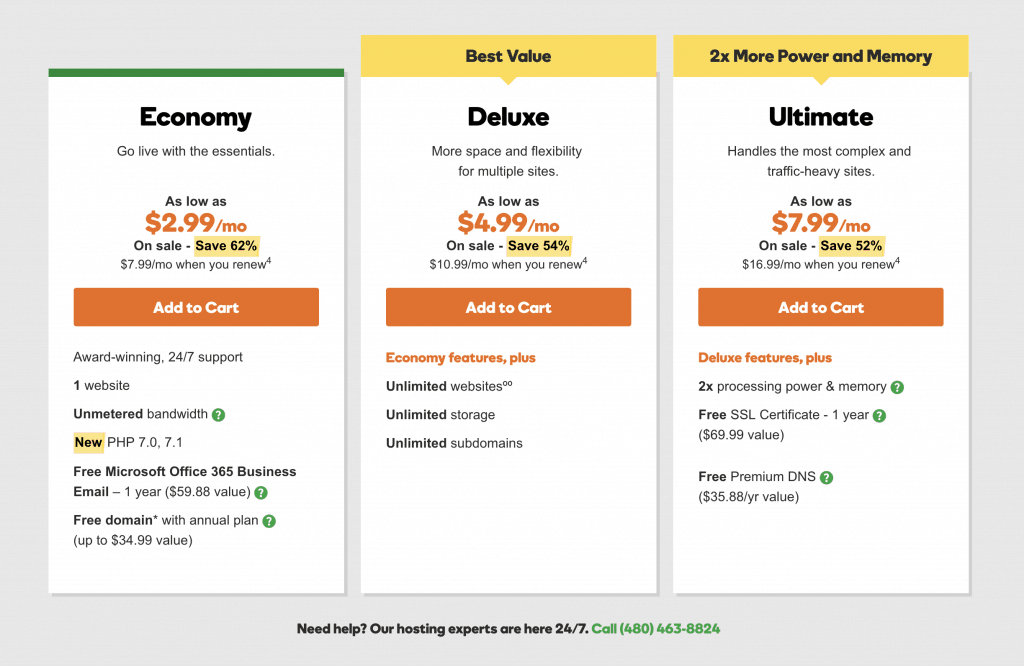
Credit: www.whatsthehost.com

Credit: diggitymarketing.com
Frequently Asked Questions
How Much Does Aws Support Cost?
AWS support costs range from free to several thousand dollars per month, depending on the selected support plan. Pricing varies by plan: Basic (free), Developer (starting at $29/month), Business (starting at $100/month), and Enterprise (starting at $15,000/month).
How Much Does Hosting Cost On Aws?
AWS hosting costs vary. Prices start at around $3. 50 per month for basic plans. Costs depend on usage and services.
Is Aws Cheaper Than Hosting?
AWS can be cheaper than traditional hosting, depending on usage and scalability needs. Cost savings vary by project requirements.
What Factors Affect Aws Hosting Cost?
AWS hosting costs depend on factors like usage, instance type, storage, and data transfer. Other factors include region, support plans, and additional services.
Conclusion
Understanding AWS hosting costs can seem complex. But breaking it down helps. Always consider your business needs first. AWS offers flexible pricing options. This flexibility suits various budgets. Review your usage regularly. This ensures you only pay for what you use.
By doing this, you manage costs effectively. AWS hosting remains a strong choice for many. It provides robust solutions and scalability. Make informed decisions and enjoy the benefits. This way, you optimize costs while leveraging AWS services. Happy hosting!
