

Doctors use scheduling software to manage appointments efficiently. These tools help streamline patient visits and reduce administrative burden.
Scheduling software is essential for modern medical practices. Doctors need to handle various tasks like booking appointments, managing patient data, and coordinating with staff. A reliable scheduling tool ensures smooth operations and better patient care. It minimizes the risk of double bookings and errors.
In this blog post, we’ll explore the top scheduling software options that doctors use. We’ll look at their features, benefits, and why they are preferred. Stay with us to find out which software could best suit your medical practice needs.
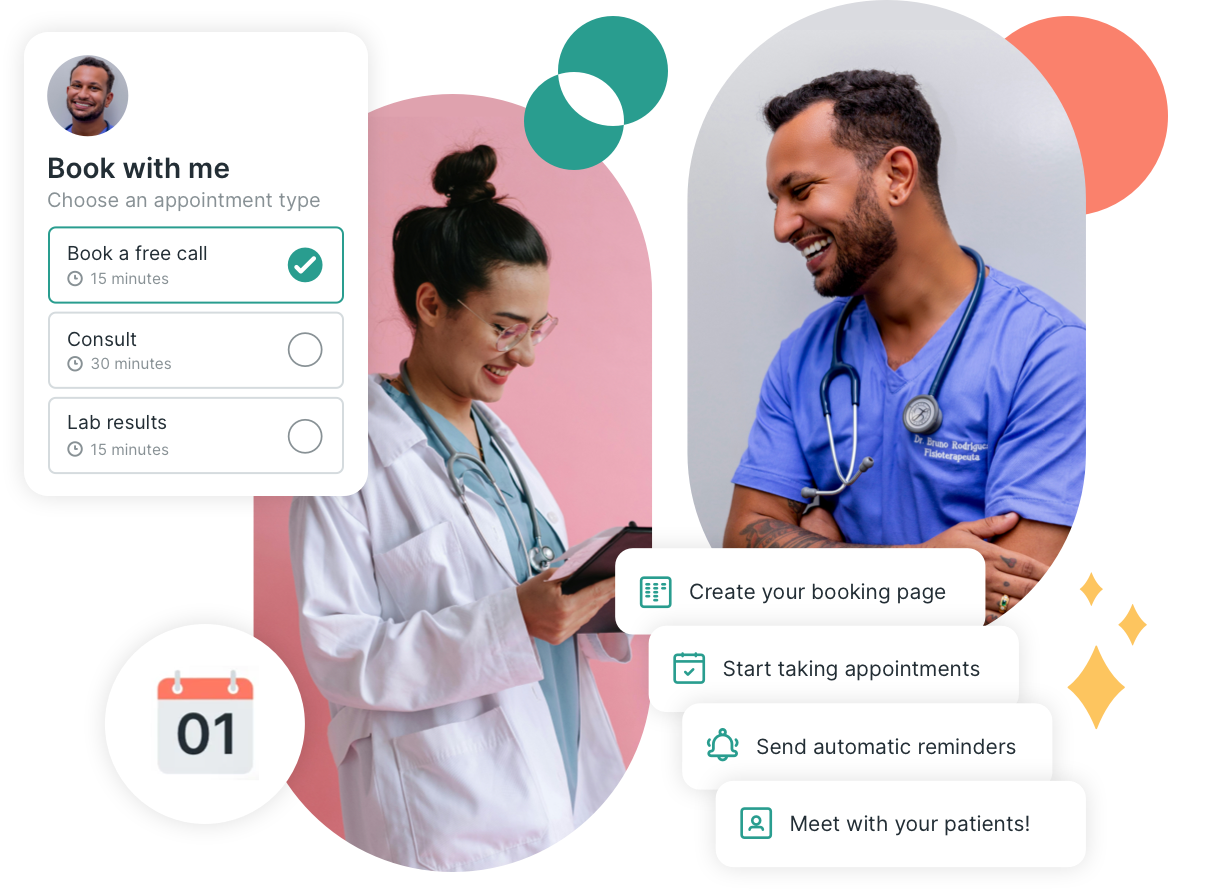
Credit: youcanbook.me
Introduction To Scheduling Software
Doctors often have demanding schedules. They manage patient appointments, surgeries, and administrative tasks. To simplify these tasks, many doctors use scheduling software. This software helps them organize and streamline their daily activities. It ensures no appointment is missed and maximizes their time. Let’s explore what scheduling software doctors use and its importance.
Importance For Doctors
Scheduling software is crucial for doctors. It helps manage patient appointments efficiently. Here’s why it’s important:
- Time Management: Allows doctors to allocate time for each patient.
- Reduce No-shows: Sends reminders to patients about their appointments.
- Streamline Operations: Integrates with other systems like billing and medical records.
By using scheduling software, doctors can focus more on patient care. It reduces administrative workload and enhances productivity.
Key Features
Not all scheduling software is the same. Here are some key features that doctors look for:
- Appointment Reminders: Sends automatic reminders to patients via SMS or email.
- Online Booking: Allows patients to book appointments online at their convenience.
- Calendar Sync: Syncs with Google Calendar, Outlook, or other calendar apps.
- Reporting Tools: Provides detailed reports on no-shows, appointment durations, and more.
- Integration: Easily integrates with Electronic Health Records (EHR) and billing systems.
These features help doctors manage their schedules effectively. They ensure a seamless flow of operations in medical practice.
Benefits Of Scheduling Software
Scheduling software has become a vital tool for doctors. It offers numerous benefits that enhance the overall efficiency and patient satisfaction. This advanced technology helps streamline appointments and manage time effectively. Let’s delve into the key benefits of scheduling software for doctors.
Enhanced Efficiency
Scheduling software significantly improves efficiency. Doctors can easily manage their appointments without manual entries. It reduces the chances of errors and double bookings. The software ensures that doctors utilize their time optimally. It also helps in managing patient records and appointment histories. This means less paperwork and more focus on patient care.
Patient Satisfaction
Patient satisfaction is crucial in healthcare. Scheduling software plays a vital role here. It allows patients to book, reschedule, or cancel appointments online. This convenience leads to happier patients. The system sends automatic reminders, reducing no-show rates. Patients appreciate the ease of access and prompt communication. This improves their overall experience and trust in healthcare services.
Top Scheduling Tools For Doctors
Doctors need efficient scheduling tools to manage appointments and patient care. The right scheduling software can save time, reduce no-shows, and improve patient satisfaction. Let’s explore some of the top scheduling tools for doctors.
Overview Of Leading Options
Several scheduling tools are popular among doctors. Each offers unique features tailored to healthcare needs. Some of the leading options include:
- DrChrono
- Practicesuite
- AdvancedMD
- CareCloud
- NextGen Healthcare
Comparison Criteria
When evaluating scheduling tools, consider these criteria:
- Ease of Use: The software should be user-friendly.
- Integration: It should integrate with existing systems.
- Customization: Look for customizable scheduling options.
- Patient Communication: Features like reminders and confirmations are key.
- Cost: Consider the price and value offered.
Drchrono
DrChrono is a comprehensive scheduling software designed for doctors. It integrates seamlessly with electronic health records (EHR). This platform helps medical professionals manage their appointments efficiently. DrChrono is known for its user-friendly interface and robust features.
Key Features
DrChrono offers various features to streamline scheduling. It has a customizable calendar that fits different practices. Doctors can set up recurring appointments easily. The software sends automated reminders to patients. This reduces no-shows and improves patient engagement. DrChrono also supports online booking. Patients can book appointments through the clinic’s website.
The software integrates with billing systems. This helps in managing financial aspects alongside scheduling. It provides real-time insurance eligibility checks. Doctors can verify patient insurance details before appointments. DrChrono is also mobile-friendly. Doctors can access their schedules on the go using a mobile app.
Pros And Cons
DrChrono has several advantages. It is easy to use, even for non-tech-savvy users. The software saves time by automating many tasks. It enhances patient communication with reminders and online booking. The integration with EHR and billing systems is smooth.
There are some drawbacks too. The software can be expensive for small practices. Some users report occasional technical glitches. Customer support may not always be prompt. Despite these cons, many doctors find DrChrono beneficial for their practice.
Practice Fusion
Practice Fusion is a popular scheduling software for doctors. It offers many features to streamline medical practices. This software aims to enhance the efficiency of scheduling and patient management.
Key Features
Practice Fusion offers an easy-to-use interface. It helps with appointment booking and managing patient records. The software supports electronic health records (EHR). This feature allows doctors to access patient information quickly. It also includes automated reminders. These reminders reduce no-shows and ensure patients remember their appointments.
Pros And Cons
Practice Fusion has many advantages. It is cloud-based, which means you can access it from anywhere. The software is also user-friendly. Doctors and staff can learn to use it easily. Another benefit is its integration with other tools. You can connect it with billing systems and labs.
But there are some downsides. The software may have occasional slowdowns. Also, some users find the customization options limited. Despite these issues, many doctors find Practice Fusion useful for their practice.
Kareo
In the realm of medical practice management, Kareo stands out as a leading scheduling software. It caters to the specific needs of healthcare providers. Kareo’s intuitive design helps doctors streamline their daily tasks. From managing appointments to handling patient records, it covers all bases.
Key Features
Kareo offers a range of features that benefit medical professionals. Its easy-to-use interface is a big plus. The software allows doctors to schedule appointments with minimal effort. It also integrates with other tools seamlessly. This makes patient record management straightforward. Another notable feature is its automated reminders. These reminders help reduce no-shows. Furthermore, Kareo supports telehealth services. This is vital in today’s digital age.
Pros And Cons
Kareo has many advantages. Firstly, it is user-friendly. Doctors can navigate it without much training. Secondly, it offers robust customer support. This is crucial for resolving any issues promptly. Thirdly, it is highly customizable. Practices can tailor it to their specific needs.
Yet, there are some drawbacks. The cost can be a concern for smaller practices. Some users find the billing module complicated. Finally, integration with certain third-party tools may require extra effort.
Advancedmd
AdvancedMD is a popular scheduling software used by doctors and medical practices. It offers a range of features designed to streamline administrative tasks and enhance patient care. This software is known for its user-friendly interface and comprehensive functionality.
Key Features
AdvancedMD boasts many features that cater to the needs of medical professionals. The software includes appointment scheduling, patient reminders, and online booking. It also offers customizable templates for various specialties. This ensures that doctors can manage their schedules efficiently.
Another key feature is the integrated billing system. This helps in managing patient invoices and insurance claims. Additionally, AdvancedMD provides robust reporting tools. These tools allow practices to analyze performance and improve operations.
Pros And Cons
There are several pros to using AdvancedMD. The software is highly customizable, which makes it adaptable for different specialties. Its user-friendly interface reduces the learning curve for new users. The integrated billing system is also a significant advantage. It simplifies financial management for practices.
Despite its many benefits, there are some cons. AdvancedMD can be expensive for small practices. The initial setup process can be time-consuming. Some users have reported occasional technical issues. These can disrupt daily operations. However, the support team is generally responsive and helpful.
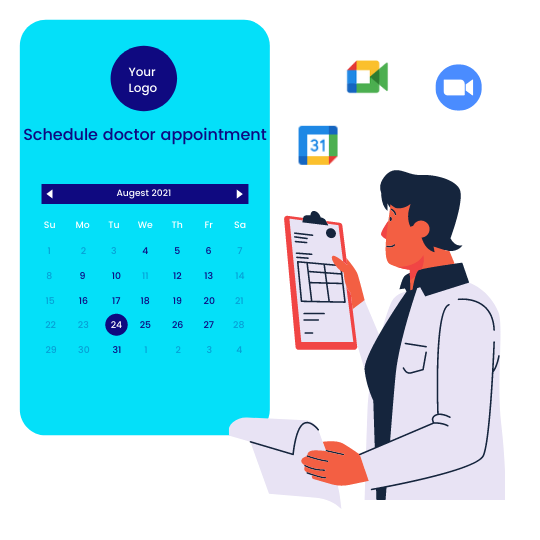
Credit: dayschedule.com
Choosing The Right Tool
Doctors often use scheduling software like Practo or DrChrono to manage appointments efficiently. These tools help streamline patient bookings and reduce no-shows.
Selecting the right scheduling software is vital for doctors. It ensures smooth operations and satisfied patients. But with many options available, how do doctors choose the best tool? They must consider their specific needs and make an informed decision.
Assessing Needs
Doctors must first assess their needs. How many patients do they see daily? Do they need features like appointment reminders or billing integration? Identifying these needs helps narrow down the options.
Some doctors work in group practices. They may need software that supports multiple users. Solo practitioners might prioritize different features. Each practice has unique requirements.
Ease of use is another factor. Scheduling software should be intuitive. Complex systems can frustrate staff and patients. Simple, user-friendly interfaces save time and reduce errors.
Making The Final Decision
Once needs are assessed, doctors can make the final decision. They should compare features, costs, and customer reviews. Free trials can be useful. They allow doctors to test the software before committing.
Customer support is crucial. Reliable support ensures any issues are quickly resolved. Doctors should choose a provider known for excellent support.
Data security is also important. Medical practices handle sensitive information. Scheduling software must comply with privacy regulations. Doctors should ensure the software has robust security measures.
In conclusion, choosing the right scheduling tool involves careful consideration. Assessing needs and evaluating options helps doctors find the best fit.
Future Of Scheduling Software
The future of scheduling software for doctors is promising and dynamic. As healthcare evolves, so do the tools that make it efficient. Modern scheduling software is becoming smarter, more intuitive, and highly integrated with other healthcare systems. These advances will change how doctors manage their schedules and interact with patients.
Emerging Trends
Emerging trends in scheduling software are driving significant improvements. Here are some key trends:
- AI and Machine Learning: Predicts appointment durations and patient no-shows.
- Telemedicine Integration: Scheduling for in-person and virtual visits.
- Patient Self-Scheduling: Allows patients to book their own appointments online.
- Mobile Accessibility: Doctors and patients manage schedules via mobile apps.
- Automated Reminders: Reduces missed appointments with SMS and email alerts.
Predictions
Experts predict several changes in scheduling software:
- Enhanced Interoperability: Seamless integration with Electronic Health Records (EHRs).
- Personalized Patient Experience: Tailored scheduling based on patient history.
- Voice-Activated Scheduling: Use of voice assistants for setting appointments.
- Real-Time Analytics: Insights into scheduling patterns and resource management.
- Blockchain Security: Ensuring patient data privacy with advanced security measures.
In the future, scheduling software will be more than a tool. It will be an essential part of healthcare. These innovations will help doctors save time and provide better care. Understanding these trends and predictions can help healthcare providers stay ahead.

Credit: www.scheduleview.com
Frequently Asked Questions
What Is Doctor Scheduling Software?
Doctor scheduling software automates appointment booking and management. It helps streamline schedules, reduces no-shows, and improves patient satisfaction.
Why Do Doctors Use Scheduling Software?
Doctors use scheduling software to save time, reduce errors, and enhance patient experience. It allows for efficient appointment management.
How Does Scheduling Software Benefit Clinics?
Scheduling software benefits clinics by optimizing appointment slots, reducing administrative tasks, and improving overall patient care and clinic efficiency.
Can Scheduling Software Integrate With Other Systems?
Yes, most scheduling software can integrate with EHRs and billing systems. This integration streamlines operations and reduces manual data entry.
Conclusion
Choosing the right scheduling software is crucial for doctors. It boosts efficiency, reduces errors, and improves patient care. Many options exist, each with unique features to fit different needs. Consider ease of use, integration, and cost. Test a few and see what works best.
Proper scheduling can transform a practice. It makes managing appointments simpler and keeps things running smoothly. So, invest time in finding the best tool. Your patients and your practice will thank you.
